Leadership
Leadership
Leadership
The Cost of Certainty in Uncertain Times
Executive feels the pressure and their instinct is to take control. Centralize decisions. Reduce the variables. Run everything through themselves.

Brandon Green
Jan 19, 2026
Most employees can never quite understand the pressure at the top. We work through our careers to move up the ladder. To make more money, to gain more decision making power, to be seen as a leader. As someone who has been there, I can tell you that in times like today it isn't easy. Executives are concerned about how tariffs will impact the bottom line, the increasing cost of inflation, added pressure from the Board, keeping investors happy, and margins being squeezed.
Their instincts as a leader is to take more control. That only they can understand what is truly needed to get the company through these times. With so many concerns they start by reducing the variables to ones they can control. So they reduce the workforce, remove employees who don't fit in their new plans, cut budgets, KTLO products, and funnel all decision making power through themselves. They are the ones making the calls because they are accountable for the outcomes.
The pressure is real. It's not about egos or being a control freak. It's about trusting themselves to be able to lead their company, their people, through the ever changing political and economical landscape. In doing so, they are abandoning the ways of working that got them there in the first place.
The Instinct to Centralize
It starts with the C-suite voicing their frustrations on the roadmap, and the timelines. Asking why things are taking so long, why we aren't getting "more" out the door faster. So they start to interject themselves into the processes in areas they never had before. They determine teams aren't making decisions fast enough. That they are making things harder than they need to be. So they determine the best course of action is to just run everything through them and they will make quick decisions.
The employees are all reading news of massive layoffs in other companies, and even have friends and family who have been affected. So they do as they're told. They spend more time collecting and documenting the information needed to present and have a decision made. Then the decisions pile up. The teams slow down, paralyzed as they wait for the review meeting to happen.
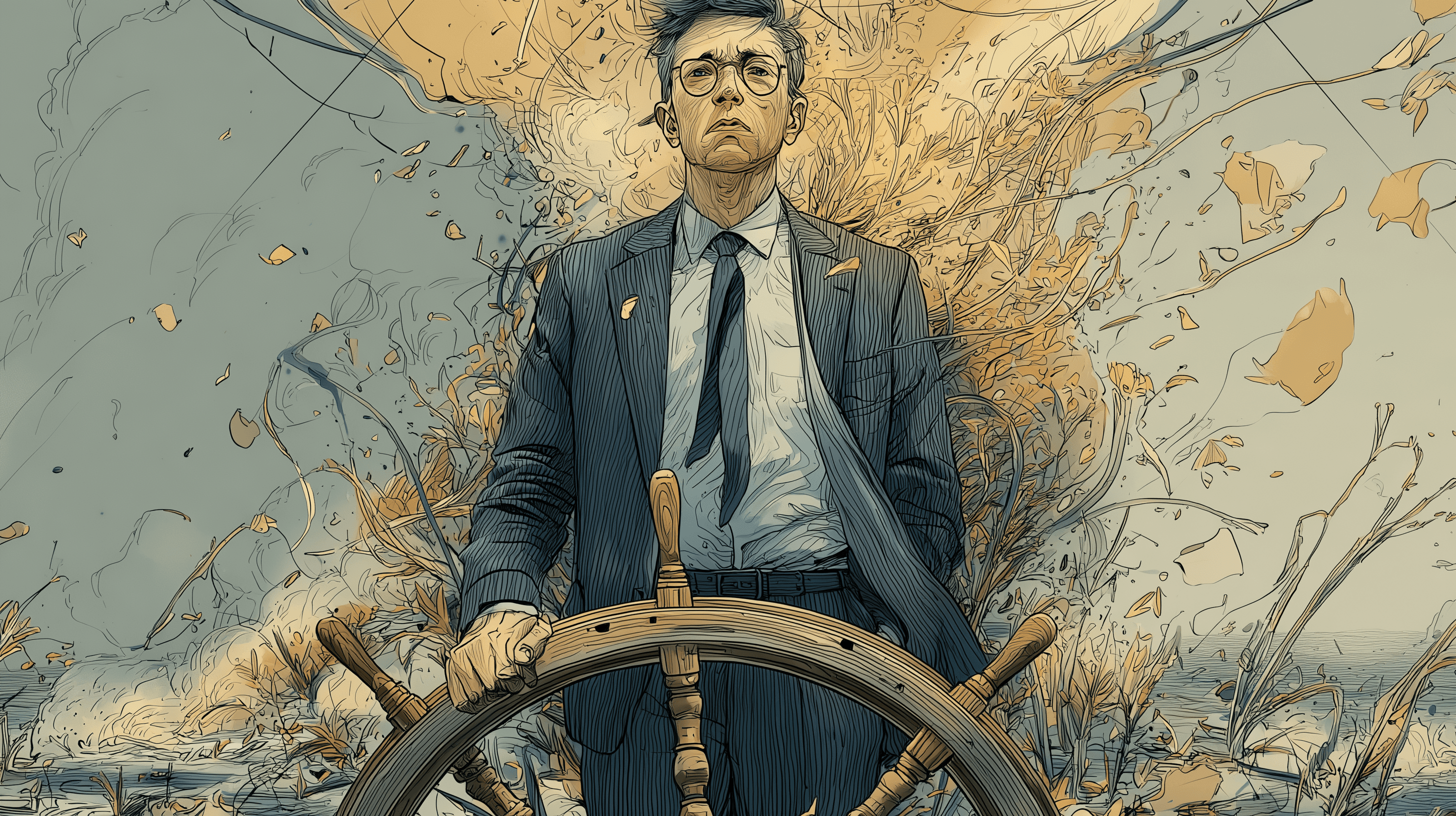
To the exec, this feels like leadership. This feels like being they are the captain steering the ship through the storm.
Most employees can never quite understand the pressure at the top. We work through our careers to move up the ladder. To make more money, to gain more decision making power, to be seen as a leader. As someone who has been there, I can tell you that in times like today it isn't easy. Executives are concerned about how tariffs will impact the bottom line, the increasing cost of inflation, added pressure from the Board, keeping investors happy, and margins being squeezed.
Their instincts as a leader is to take more control. That only they can understand what is truly needed to get the company through these times. With so many concerns they start by reducing the variables to ones they can control. So they reduce the workforce, remove employees who don't fit in their new plans, cut budgets, KTLO products, and funnel all decision making power through themselves. They are the ones making the calls because they are accountable for the outcomes.
The pressure is real. It's not about egos or being a control freak. It's about trusting themselves to be able to lead their company, their people, through the ever changing political and economical landscape. In doing so, they are abandoning the ways of working that got them there in the first place.
The Instinct to Centralize
It starts with the C-suite voicing their frustrations on the roadmap, and the timelines. Asking why things are taking so long, why we aren't getting "more" out the door faster. So they start to interject themselves into the processes in areas they never had before. They determine teams aren't making decisions fast enough. That they are making things harder than they need to be. So they determine the best course of action is to just run everything through them and they will make quick decisions.
The employees are all reading news of massive layoffs in other companies, and even have friends and family who have been affected. So they do as they're told. They spend more time collecting and documenting the information needed to present and have a decision made. Then the decisions pile up. The teams slow down, paralyzed as they wait for the review meeting to happen.
To the exec, this feels like leadership. This feels like being they are the captain steering the ship through the storm.
What Centralizing Decisions Actually Costs
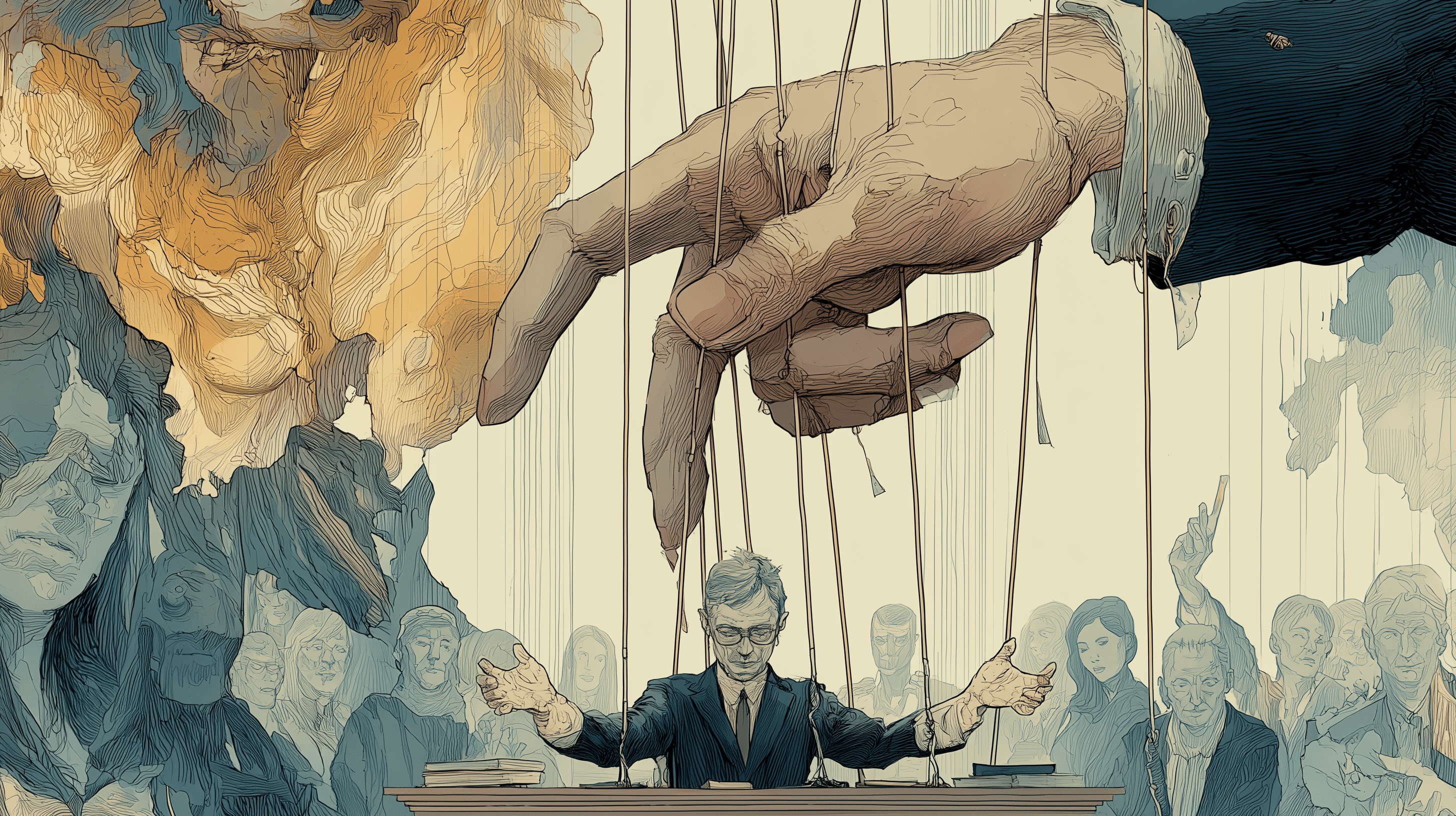
Teams who are used to having autonomy are now waiting for approval. Trust erodes within the teams and with the executives. As time goes on leadership gets frustrated that the teams aren't moving faster, that products aren't getting out the door, and revenue losses continue to mount. They start having conversations about if they have the right people in place. Who are the good ones who "get it" and who are the ones who aren't following their instructions as they feel they are giving them.
Rumors start to spread about more layoffs. People start making guesses about who will be next and if they are among them. The culture starts to diminish, the triad teams start to fight against each other as they follow the orders of their individual leaders. Of course they will. They have heard about the job market, how difficult it is right now to find a new role. They have families to support and need to keep their jobs, even if that means others won't.
Teams stop pushing back. Nobody wants to be the one who raises the red flags. People shy away from the spotlight being on them. So they gather their feedback, data, business cases, PRDs, estimates, and anything else they feel they will need to show that they are doing their part. They present it all as facts and leave out their hypotheses, opinions, and experience. They wait for the executives to tell them what they need to do and they thank them once they have it. They gripe to their friends, but they keep their opinions to a tight group of people they can trust. They tell others what they want to hear, but internally they are losing their passion.
Executives end up making decisions with worse information. The very thing they were trying to prevent, making the wrong call, becomes more and more likely.
What Centralizing Decisions Actually Costs
Teams who are used to having autonomy are now waiting for approval. Trust erodes within the teams and with the executives. As time goes on leadership gets frustrated that the teams aren't moving faster, that products aren't getting out the door, and revenue losses continue to mount. They start having conversations about if they have the right people in place. Who are the good ones who "get it" and who are the ones who aren't following their instructions as they feel they are giving them.
Rumors start to spread about more layoffs. People start making guesses about who will be next and if they are among them. The culture starts to diminish, the triad teams start to fight against each other as they follow the orders of their individual leaders. Of course they will. They have heard about the job market, how difficult it is right now to find a new role. They have families to support and need to keep their jobs, even if that means others won't.
Teams stop pushing back. Nobody wants to be the one who raises the red flags. People shy away from the spotlight being on them. So they gather their feedback, data, business cases, PRDs, estimates, and anything else they feel they will need to show that they are doing their part. They present it all as facts and leave out their hypotheses, opinions, and experience. They wait for the executives to tell them what they need to do and they thank them once they have it. They gripe to their friends, but they keep their opinions to a tight group of people they can trust. They tell others what they want to hear, but internally they are losing their passion.
Executives end up making decisions with worse information. The very thing they were trying to prevent, making the wrong call, becomes more and more likely.

The Signals You're Losing
There are signs that tell leaders they're losing their people. Signs that tell them they are the issue. Of course, they would have to be willing to listen before they will see them.
The employees they once trusted to give them "inside information" have stopped talking and wait for instructions. Design only starts showing the "safe" option when they build a new workflow. Engineers move through their work like a checklist and only push back if they doubt they will be able to get it done in their scheduled sprint. There are also the obvious signs like people taking new jobs as they are offered, not even trying to negotiate for a raise to stay on. The company loses out on innovative thinking. On feedback that challenges the current strategy. Unique designs that challenge the status quo and make your product stand apart from the competition. The employees haven't gotten lazy. It's not that they don't care. It's not because you don't have the right people. You literally asked them to stop sharing their opinions and do as they are told.
There are ways to get them back, but it means the leadership needs to remember that there is a reason why you hired these people in the first place. They need to be trusted. They need to be allowed to make decisions. They need leaders to support them.
The Signals You're Losing
There are signs that tell leaders they're losing their people. Signs that tell them they are the issue. Of course, they would have to be willing to listen before they will see them.
The employees they once trusted to give them "inside information" have stopped talking and wait for instructions. Design only starts showing the "safe" option when they build a new workflow. Engineers move through their work like a checklist and only push back if they doubt they will be able to get it done in their scheduled sprint. There are also the obvious signs like people taking new jobs as they are offered, not even trying to negotiate for a raise to stay on. The company loses out on innovative thinking. On feedback that challenges the current strategy. Unique designs that challenge the status quo and make your product stand apart from the competition. The employees haven't gotten lazy. It's not that they don't care. It's not because you don't have the right people. You literally asked them to stop sharing their opinions and do as they are told.
There are ways to get them back, but it means the leadership needs to remember that there is a reason why you hired these people in the first place. They need to be trusted. They need to be allowed to make decisions. They need leaders to support them.

What Strong Leadership Actually Looks Like Right Now
In uncertain times, trust is more important than anything else. Leaders don't need to choose between taking control or letting the company move blindly through the chaos. Strong leaders do these things:
They centralize information, not decisions. They demand visibility into what's happening, but they let the people closest to the problem recommend the path forward.
They get specific about what they need to approve and what they don't. Not everything is high-stakes. Clarity on decision rights keeps things moving.
They reward the bad news. They make it safe to surface risk early, because that's the only way they'll hear it in time to act.
They limit the noise, remove the roadblocks, and define the sandbox that their teams get to play in.
This all starts with listening and not going directly to your personal "solution." Giving factual information of the state of the company to your leads is not a sign of weakness. In fact, it's the opposite. They see it as a sign of trust and respect. Tell them the pressure that is building in your world and brainstorm with them. You'd be surprised how many of them have already been thinking about ways to cut costs, execute faster, and build towards small wins.
I've seen executives go from meeting to meeting telling the teams how to do their jobs, what they need to get done, and the order in how to do it. They often forget to ask for feedback, or even get data that others would have to make a more informed decision. I've even seen the worst version: an executive hears a good idea from one of their leaders and presents it as their own.
What Strong Leadership Actually Looks Like Right Now
In uncertain times, trust is more important than anything else. Leaders don't need to choose between taking control or letting the company move blindly through the chaos. Strong leaders do these things:
They centralize information, not decisions. They demand visibility into what's happening, but they let the people closest to the problem recommend the path forward.
They get specific about what they need to approve and what they don't. Not everything is high-stakes. Clarity on decision rights keeps things moving.
They reward the bad news. They make it safe to surface risk early, because that's the only way they'll hear it in time to act.
They limit the noise, remove the roadblocks, and define the sandbox that their teams get to play in.
This all starts with listening and not going directly to your personal "solution." Giving factual information of the state of the company to your leads is not a sign of weakness. In fact, it's the opposite. They see it as a sign of trust and respect. Tell them the pressure that is building in your world and brainstorm with them. You'd be surprised how many of them have already been thinking about ways to cut costs, execute faster, and build towards small wins.
I've seen executives go from meeting to meeting telling the teams how to do their jobs, what they need to get done, and the order in how to do it. They often forget to ask for feedback, or even get data that others would have to make a more informed decision. I've even seen the worst version: an executive hears a good idea from one of their leaders and presents it as their own.
The Cost of Certainty
Whether leaders try to tighten their grip on the reins because they feel they are helping, or they don't trust their teams, or it's about making themselves feel better, depends on the person and situation. As employees, it's important to understand that executives are also worried about their jobs, and how they are perceived by the CEO and the Board. They worry about if they are viewed as "doing enough" or having enough control on the situation.
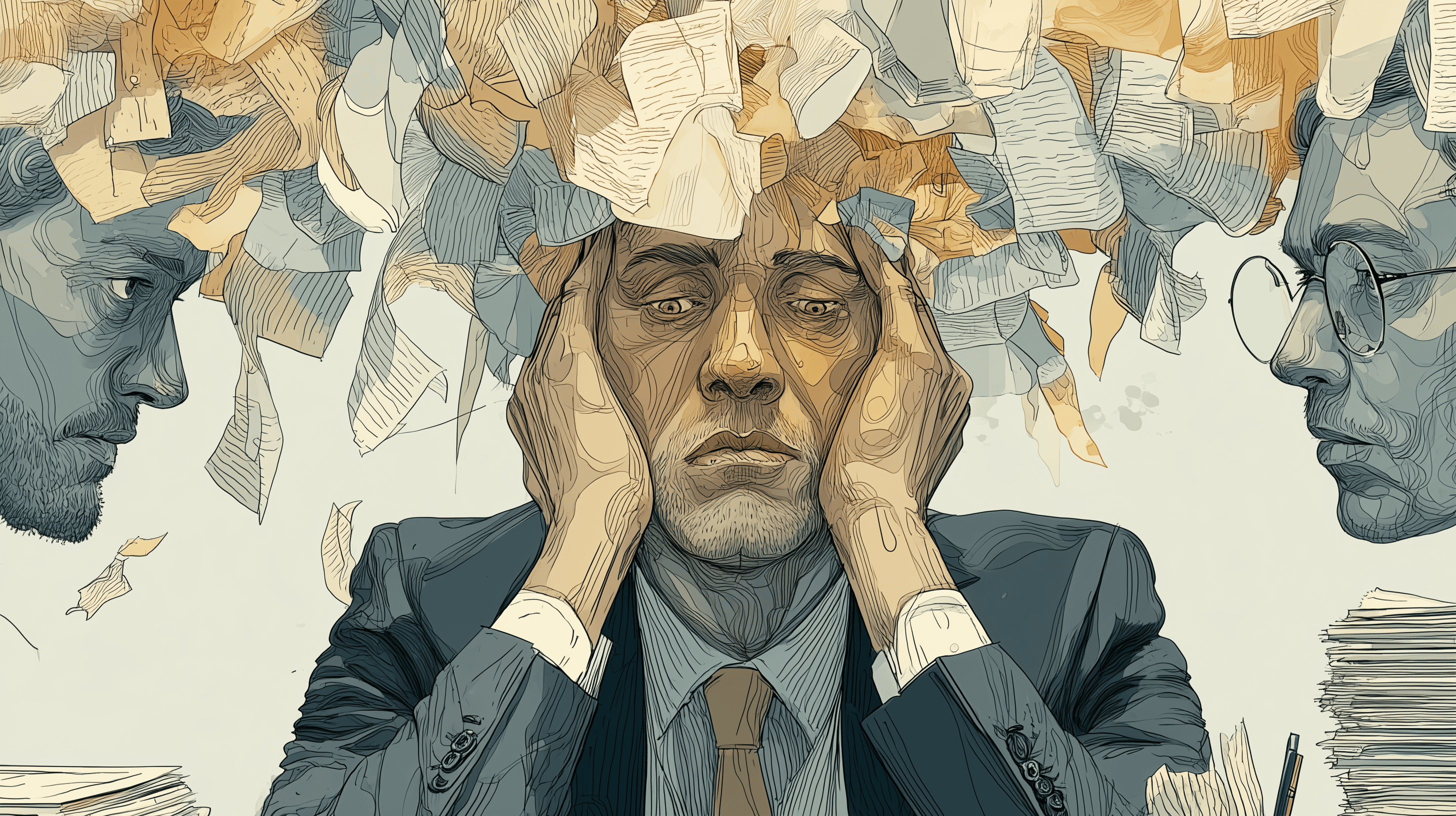
But when they demand certainty from their teams, they get compliance. They get employees who put their heads down, execute the plans, and don't ask questions. Leaders may see that as alignment. Like teams are finally moving in the right direction. It's actually silence, and that doesn't mean the direction is the right one.
Companies that navigate uncertainty well aren't the ones where the CEO made all the right calls. They're the ones where information kept flowing, even when it was uncomfortable. Where teams felt safe enough to say "this isn't working" before it was too late. You can't control tariffs, or the economy, but you can control whether your team tells you the truth.
The Cost of Certainty
Whether leaders try to tighten their grip on the reins because they feel they are helping, or they don't trust their teams, or it's about making themselves feel better, depends on the person and situation. As employees, it's important to understand that executives are also worried about their jobs, and how they are perceived by the CEO and the Board. They worry about if they are viewed as "doing enough" or having enough control on the situation.
But when they demand certainty from their teams, they get compliance. They get employees who put their heads down, execute the plans, and don't ask questions. Leaders may see that as alignment. Like teams are finally moving in the right direction. It's actually silence, and that doesn't mean the direction is the right one.
Companies that navigate uncertainty well aren't the ones where the CEO made all the right calls. They're the ones where information kept flowing, even when it was uncomfortable. Where teams felt safe enough to say "this isn't working" before it was too late. You can't control tariffs, or the economy, but you can control whether your team tells you the truth.
MORE INSIGHTS

Product Problems Series
Feb 7, 2026
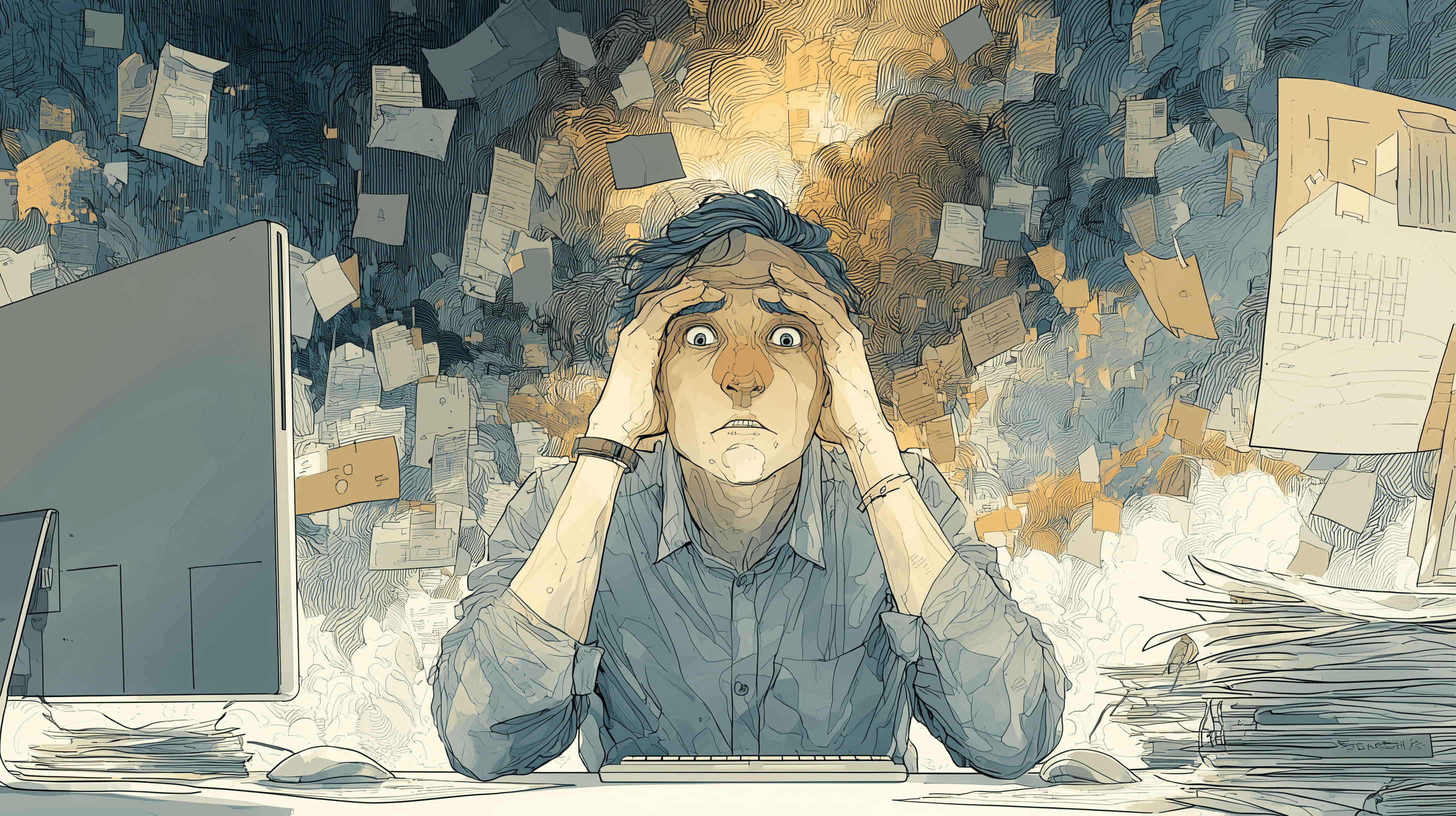
Empowerment is a must to allow product teams to succeed. Too many checks and balances throw off timing and outcomes.
The Authority Trap: Accountability Without The Control
Career Advice
Feb 3, 2026
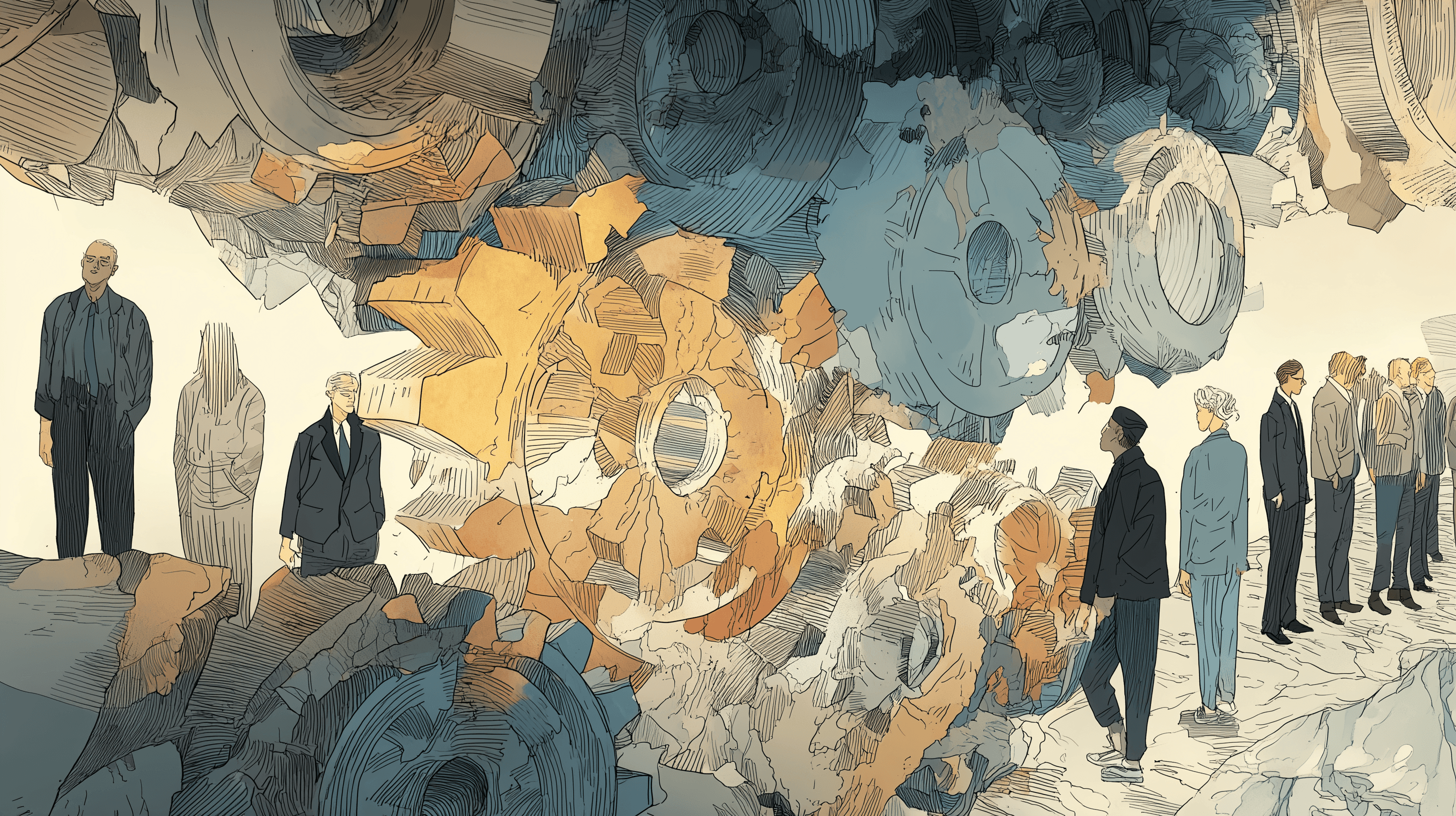
Product teams are changing and not for the better. Companies want results faster and that means skipping key steps in the process.
Why Product Teams Feel Stuck