Career Advice
Career Advice
Career Advice
Companies Have Started Hiring for Speed, Not Strategy
Most companies say they want a senior designer. They actually want fast executors.

Brandon Green
Jan 27, 2026
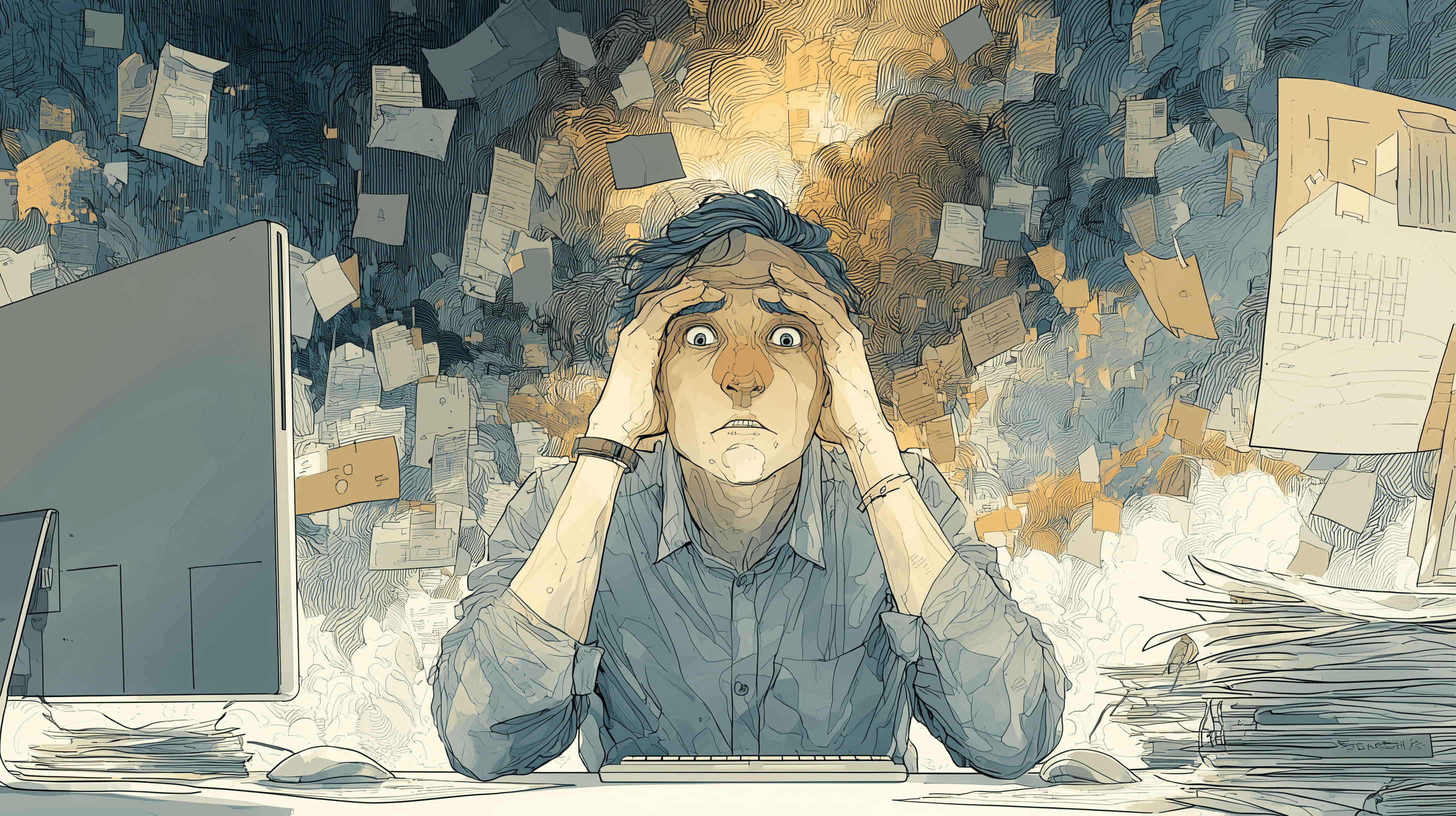
You see a job posting that seems perfect. They talk about empathy for users, conducting research, user interviews, data collection. Then they mention needing a Figma master who can build design systems, work with variables and auto layout, and do it all while handling an ever-changing landscape.
You think, "that's exactly what I've been doing for years." So you apply. And those select few times you get asked to interview, the truth starts to seep through the cracks in their words.
A friend of mine is a highly skilled designer with years of experience. During a recent interview process, they asked a simple question that any senior designer should be asking: "What are your key metrics you measure against?"
The answer they got…"velocity."
Another designer was interviewing for a Principal Product Designer role. The design lead told her they already had a backlog of twenty features waiting for engineering to get to them. The design system was pristine. But when asked how often they connect with users to map their journeys, understand their needs, validate decisions…the answer was a deafening “never.”
They hadn't talked to a user in over two years. The title said Principal, but the job was to make designs faster than the last person who left.
You see a job posting that seems perfect. They talk about empathy for users, conducting research, user interviews, data collection. Then they mention needing a Figma master who can build design systems, work with variables and auto layout, and do it all while handling an ever-changing landscape.
You think, "that's exactly what I've been doing for years." So you apply. And those select few times you get asked to interview, the truth starts to seep through the cracks in their words.
A friend of mine is a highly skilled designer with years of experience. During a recent interview process, they asked a simple question that any senior designer should be asking: "What are your key metrics you measure against?"
The answer they got…"velocity."
Another designer was interviewing for a Principal Product Designer role. The design lead told her they already had a backlog of twenty features waiting for engineering to get to them. The design system was pristine. But when asked how often they connect with users to map their journeys, understand their needs, validate decisions…the answer was a deafening “never.”
They hadn't talked to a user in over two years. The title said Principal, but the job was to make designs faster than the last person who left.
What Senior Design Work Actually Requires
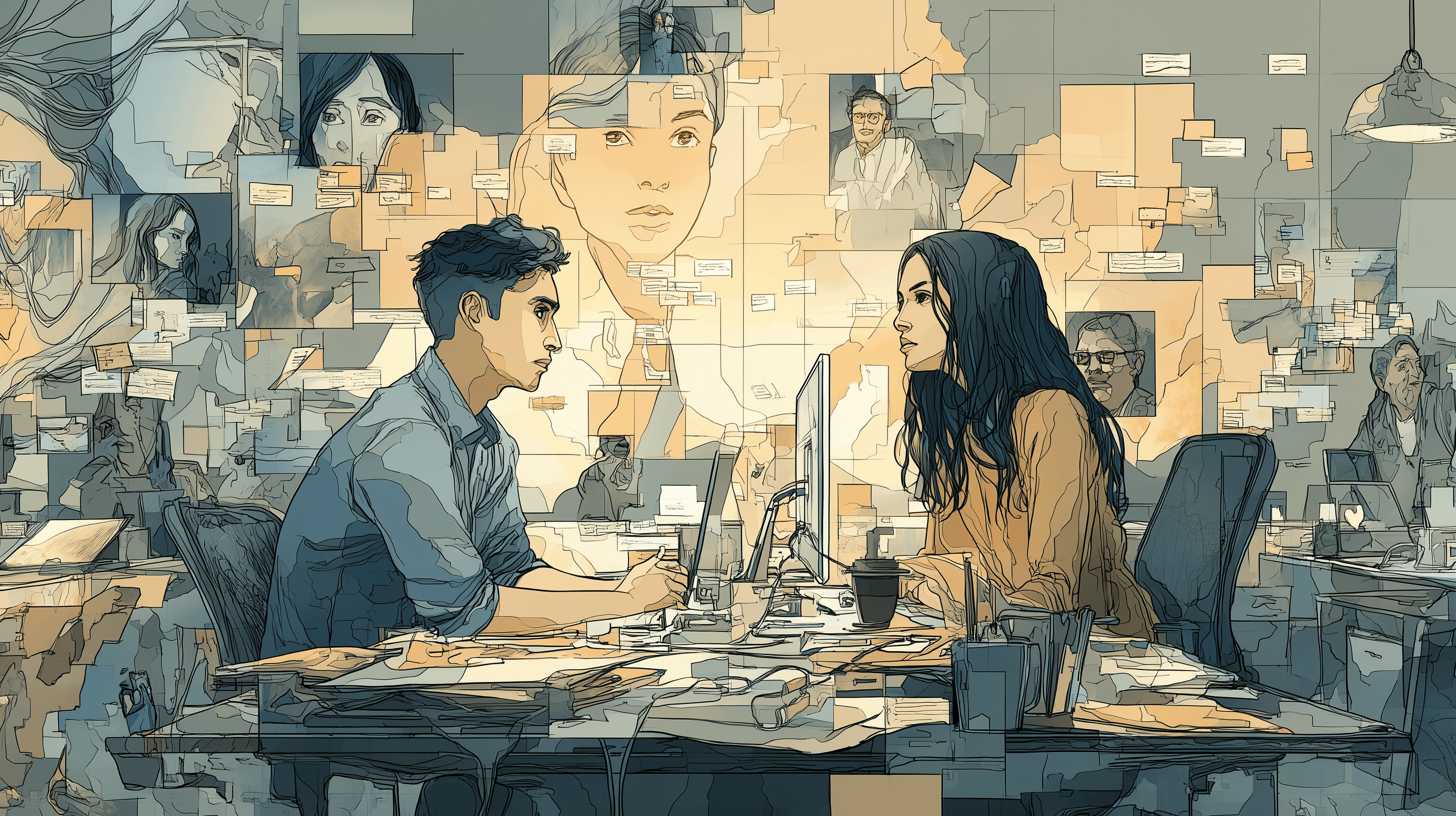
Senior designers are supposed to be developing a deep understanding of the target (core) users. Come up with tasks, navigation, and flows that are both usable and valuable by the users. Work closely with product management to discover the right blend of requirements and design. Test designs with users. Iterate based on what they learn.
This isn’t some aspirational wish list. This is what the job is supposed to be. This is the what it takes to make products that actually work for the people using them.
What most companies do instead is ask these skilled individuals to skip the steps that allow them to design with confidence and to push out work faster to keep their engineering teams busy. Executives want them to “make it pretty” and slap a veneer on the product to make it feel more “modern.”
Does this all sound familiar?
Senior design work requires time to understand users, even just to get access to them. The ability to test and iterate before committing to the MVP build. A seat at the table when product decisions get made. If you remove those things you haven’t hired a senior-level designer. You’ve hired a production artist with a better title and higher salary.
Why Companies Do This
With that rant out of the way, these companies aren’t being lazy or stupid. They are just under pressure to get new features out the door.
Budgets have been cut, and headcount is reduced. The design team that used to be six people is now three, and the roadmap didn’t shrink with it. Leadership wants to see progress, and progress looks like feature releases. Discovery work doesn’t often relate directly to the bottom line. Testing with users takes time. Iteration feels slow when the board is asking what you shipped last quarter.
So they skip the parts that “slow things down” and wonder why the product growth has stifled. They’ve hit the 'product momentum gap,' where design is only a part of that puzzle.
This is where the confusion comes in. Companies who are hiring are usually doing so to backfill someone who left on their own, or because they have made significant changes to how they work internally and need someone to hit the ground running. They are also using the same titles and job descriptions that they used 3 years ago.
Look at the titles: Product Designer. UX Designer. Experience Designer. Interaction Designer. Digital Product Designer. These aren't standardized terms. They're invented by whoever opened the req, often someone in HR or a hiring manager who doesn't do design work themselves. They're guessing at what to call the role based on what they've seen on LinkedIn.
Then when it's time to hire, those same arbitrary titles become the filter. "We need a Product Designer, this candidate was a UX Designer, not a match." As if the title tells you anything about what the person actually did.
It doesn't. A Senior Designer at one company might own strategy, run research, and shape the roadmap. At another, it means they're the most experienced person on a team of one, buried in a backlog someone else created.
What Senior Design Work Actually Requires
Senior designers are supposed to be developing a deep understanding of the target (core) users. Come up with tasks, navigation, and flows that are both usable and valuable by the users. Work closely with product management to discover the right blend of requirements and design. Test designs with users. Iterate based on what they learn.
This isn’t some aspirational wish list. This is what the job is supposed to be. This is the what it takes to make products that actually work for the people using them.
What most companies do instead is ask these skilled individuals to skip the steps that allow them to design with confidence and to push out work faster to keep their engineering teams busy. Executives want them to “make it pretty” and slap a veneer on the product to make it feel more “modern.”
Does this all sound familiar?
Senior design work requires time to understand users, even just to get access to them. The ability to test and iterate before committing to the MVP build. A seat at the table when product decisions get made. If you remove those things you haven’t hired a senior-level designer. You’ve hired a production artist with a better title and higher salary.
Why Companies Do This
With that rant out of the way, these companies aren’t being lazy or stupid. They are just under pressure to get new features out the door.
Budgets have been cut, and headcount is reduced. The design team that used to be six people is now three, and the roadmap didn’t shrink with it. Leadership wants to see progress, and progress looks like feature releases. Discovery work doesn’t often relate directly to the bottom line. Testing with users takes time. Iteration feels slow when the board is asking what you shipped last quarter.
So they skip the parts that “slow things down” and wonder why the product growth has stifled. They’ve hit the 'product momentum gap,' where design is only a part of that puzzle.
This is where the confusion comes in. Companies who are hiring are usually doing so to backfill someone who left on their own, or because they have made significant changes to how they work internally and need someone to hit the ground running. They are also using the same titles and job descriptions that they used 3 years ago.
Look at the titles: Product Designer. UX Designer. Experience Designer. Interaction Designer. Digital Product Designer. These aren't standardized terms. They're invented by whoever opened the req, often someone in HR or a hiring manager who doesn't do design work themselves. They're guessing at what to call the role based on what they've seen on LinkedIn.
Then when it's time to hire, those same arbitrary titles become the filter. "We need a Product Designer, this candidate was a UX Designer, not a match." As if the title tells you anything about what the person actually did.
It doesn't. A Senior Designer at one company might own strategy, run research, and shape the roadmap. At another, it means they're the most experienced person on a team of one, buried in a backlog someone else created.
What This Actually Costs
These short term fixes set a precedent that echoes for years.
The company gets used to designers pumping out screens without user interaction. UX loses credibility internally because they no longer have their finger on the pulse of actual users. The features they push out are hit or miss, more often a miss. Current users start looking at other options. Churn ticks up.
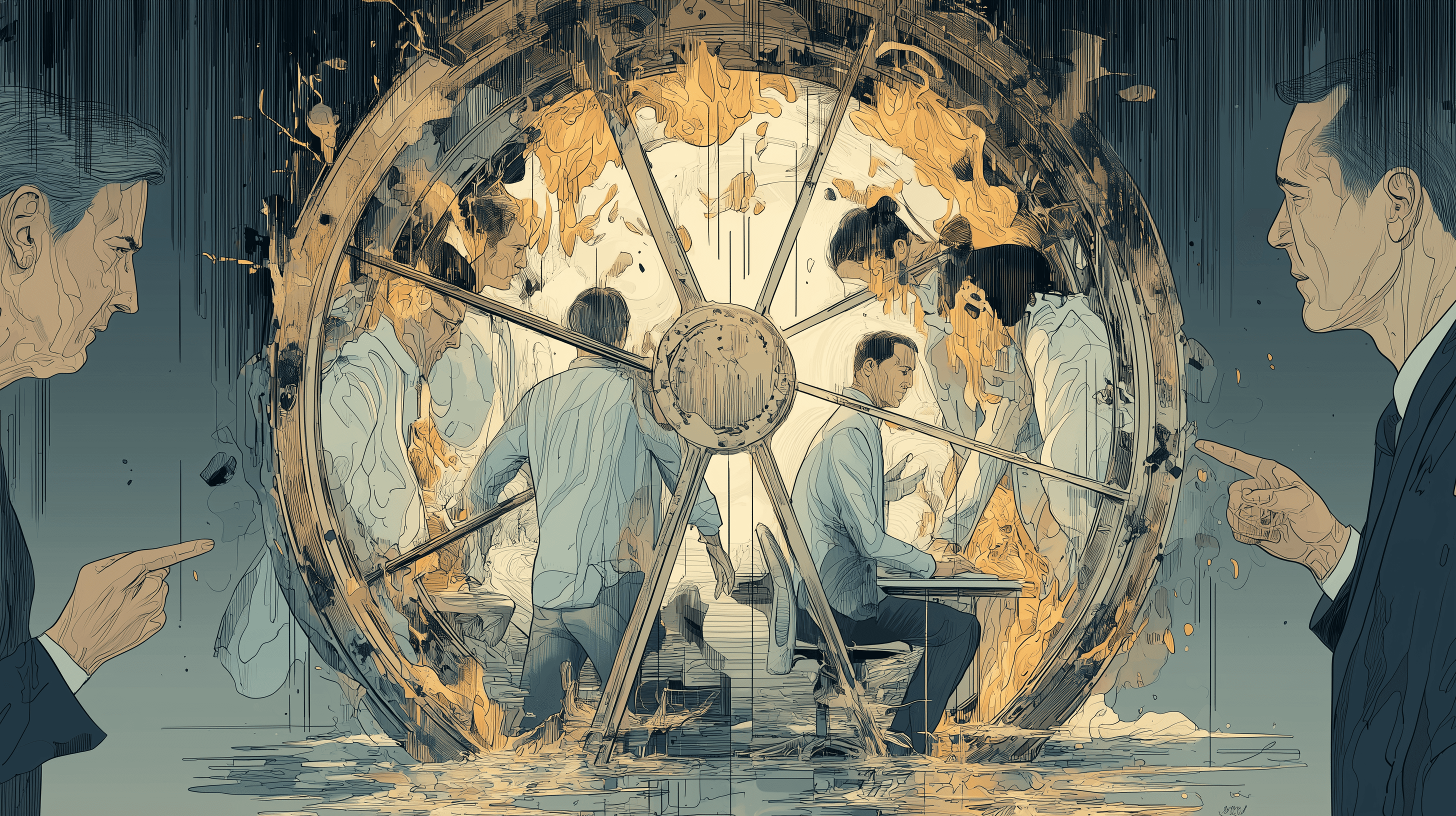
Then executives come back to product managers and designers asking why discovery work fell off. Even though they cut the team in half and demanded faster timelines. Finger pointing starts, and the fear for their jobs fuels it.
Then there's the new wave of worflows. Someone suggests AI as the solution. Let AI talk to users. Let AI analyze feedback. Let AI figure out what people want.
I'm a believer in using AI to support UX work. But there has to be a human in the loop. AI can surface themes in feedback well enough. But reading between the lines, understanding the things users don't say out loud, catching the hesitation in someone's voice during an interview…that still requires a person who knows what to look for.
AI won't fix an environment that was already broken. It just automates the dysfunction.
Meanwhile, your senior designers are burning out or quietly looking for the exit. They came to do the work the job description promised. Instead they're drowning in a backlog they didn't create, shipping features they couldn't validate, taking blame for outcomes they weren't set up to influence.
So the company hires again. Same job description. Same environment. Same results.
What This Actually Costs
These short term fixes set a precedent that echoes for years.
The company gets used to designers pumping out screens without user interaction. UX loses credibility internally because they no longer have their finger on the pulse of actual users. The features they push out are hit or miss, more often a miss. Current users start looking at other options. Churn ticks up.
Then executives come back to product managers and designers asking why discovery work fell off. Even though they cut the team in half and demanded faster timelines. Finger pointing starts, and the fear for their jobs fuels it.
Then there's the new wave of worflows. Someone suggests AI as the solution. Let AI talk to users. Let AI analyze feedback. Let AI figure out what people want.
I'm a believer in using AI to support UX work. But there has to be a human in the loop. AI can surface themes in feedback well enough. But reading between the lines, understanding the things users don't say out loud, catching the hesitation in someone's voice during an interview…that still requires a person who knows what to look for.
AI won't fix an environment that was already broken. It just automates the dysfunction.
Meanwhile, your senior designers are burning out or quietly looking for the exit. They came to do the work the job description promised. Instead they're drowning in a backlog they didn't create, shipping features they couldn't validate, taking blame for outcomes they weren't set up to influence.
So the company hires again. Same job description. Same environment. Same results.
How to Spot The Warning Signs
If you are applying for a new role, read the job posting carefully and try to determine what areas of a designer's skillset they are targeting the most. Do they even mention research or user testing? Do they heavily focus on the candidates' Figma knowledge and abilities? These are usually companies focused on your ability to produce designs quickly.
In an interview, be sure to ask about how often they interact with users. Do they meet with them in person, do they do interviews? If all their data is produced through simple surveys and whatever customer support delivers, it is likely that they aren't fully accustomed to a full discovery process.
But what about those who are already employed and in the middle of a restructuring landscape? The ones who may be worried about additional layoffs and don't want a spotlight cast down on them for not being a team player?
This is harder. You're being asked to work in a way that goes against everything you know makes design effective. And pushing back feels risky when the next round of cuts could include you.
You are best to start small. Document what you're shipping and what you don't know about how it's performing. When something misses, you'll have the receipts showing the process gaps. Find allies in product or engineering who feel the same friction. You're probably not the only one who sees it.
And be honest with yourself about whether the environment can change or whether you're just waiting it out until something breaks.
How to Spot The Warning Signs
If you are applying for a new role, read the job posting carefully and try to determine what areas of a designer's skillset they are targeting the most. Do they even mention research or user testing? Do they heavily focus on the candidates' Figma knowledge and abilities? These are usually companies focused on your ability to produce designs quickly.
In an interview, be sure to ask about how often they interact with users. Do they meet with them in person, do they do interviews? If all their data is produced through simple surveys and whatever customer support delivers, it is likely that they aren't fully accustomed to a full discovery process.
But what about those who are already employed and in the middle of a restructuring landscape? The ones who may be worried about additional layoffs and don't want a spotlight cast down on them for not being a team player?
This is harder. You're being asked to work in a way that goes against everything you know makes design effective. And pushing back feels risky when the next round of cuts could include you.
You are best to start small. Document what you're shipping and what you don't know about how it's performing. When something misses, you'll have the receipts showing the process gaps. Find allies in product or engineering who feel the same friction. You're probably not the only one who sees it.
And be honest with yourself about whether the environment can change or whether you're just waiting it out until something breaks.
The Environment Makes the Role
The title on a job posting doesn't make the work senior. The environment does.
You can call someone a Principal Designer, pay them well, and put them near the top in the org chart. But if they don't have access to users, if success is measured by how fast they push pixels, if discovery is treated as a luxury the roadmap can't afford…they're not doing senior work. They're doing production work with a nicer title.
For designers: know what you're walking into. Ask the hard questions before you accept. And if you're already there, decide whether the environment can change or whether you're just surviving until it collapses.
For hiring managers: if you want senior designers to have real impact, give them the conditions to do senior work. Time. Access. A seat at the table. Metrics that actually reflect whether your product works for people. Otherwise you're paying senior rates for junior outcomes and wondering why your best people keep leaving.
The job description is a promise. Make sure you can keep it.
The Environment Makes the Role
The title on a job posting doesn't make the work senior. The environment does.
You can call someone a Principal Designer, pay them well, and put them near the top in the org chart. But if they don't have access to users, if success is measured by how fast they push pixels, if discovery is treated as a luxury the roadmap can't afford…they're not doing senior work. They're doing production work with a nicer title.
For designers: know what you're walking into. Ask the hard questions before you accept. And if you're already there, decide whether the environment can change or whether you're just surviving until it collapses.
For hiring managers: if you want senior designers to have real impact, give them the conditions to do senior work. Time. Access. A seat at the table. Metrics that actually reflect whether your product works for people. Otherwise you're paying senior rates for junior outcomes and wondering why your best people keep leaving.
The job description is a promise. Make sure you can keep it.
MORE INSIGHTS

Product Problems Series
Feb 7, 2026
Empowerment is a must to allow product teams to succeed. Too many checks and balances throw off timing and outcomes.
The Authority Trap: Accountability Without The Control
Career Advice
Feb 3, 2026
Product teams are changing and not for the better. Companies want results faster and that means skipping key steps in the process.
Why Product Teams Feel Stuck