Career Advice
Career Advice
Career Advice
Why Product Teams Feel Stuck
Product teams are changing and not for the better. Companies want results faster and that means skipping key steps in the process.

Brandon Green
Feb 3, 2026
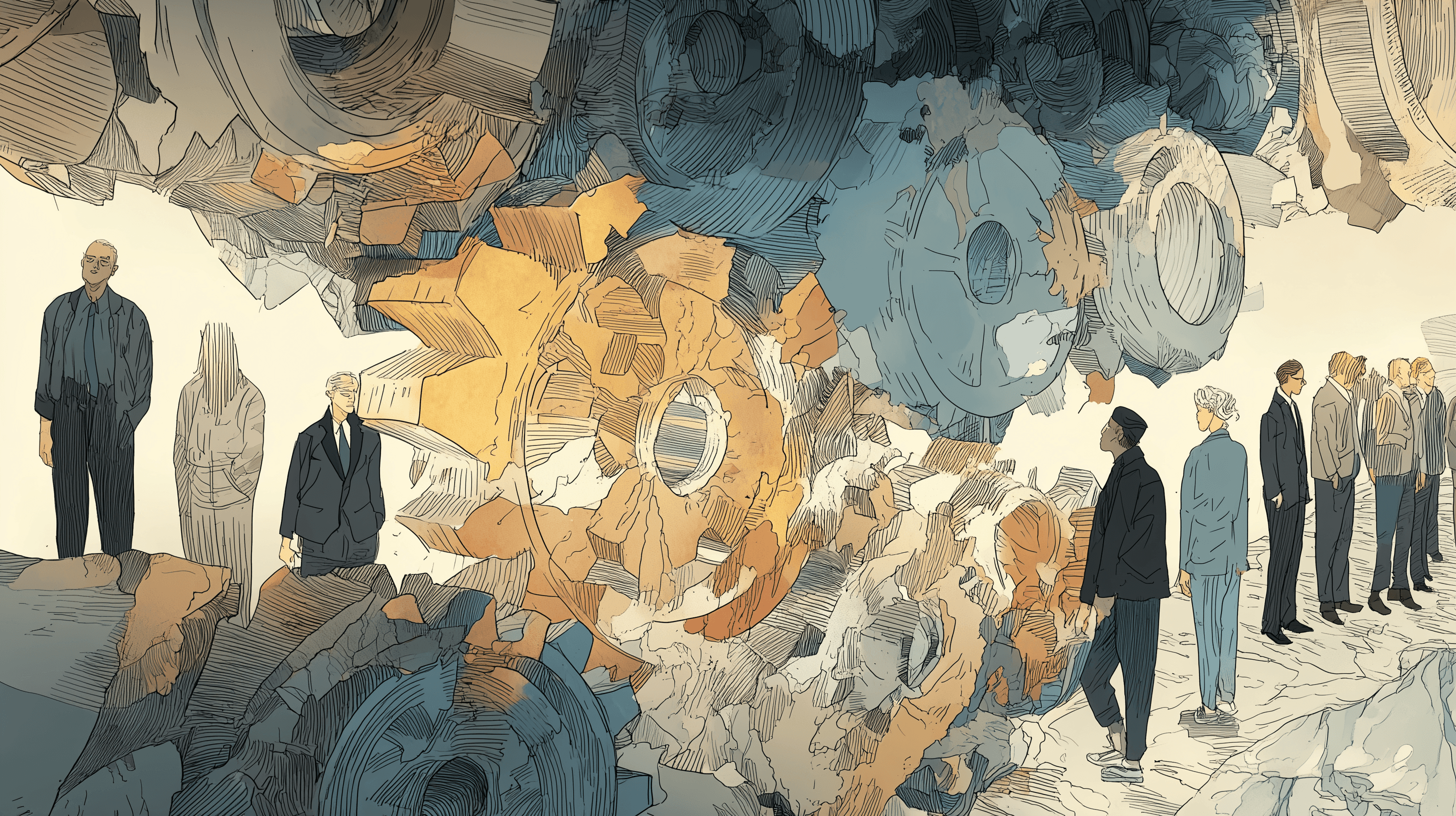
Another sprint closes, another feature ships, and instead of looking at the outcomes the team starts working on what’s next on their checklist. That vague sense that none of this might matter. That you're building the wrong thing and nobody actually knows what success even looks like anymore.
I’ve told yourself it's just this project or just the the economy or just this company. But then I grab coffee with a friend who works somewhere else and they're telling the same story. Different place, but the same frustrations.
According to Atlassian's 2026 State of Product report, 84% of product teams worry that what they're building won't succeed in the market. And honestly? The data backs up the feelings because 80% of software features go unused. Eighty percent.
Something is broken here.
The Loss of Confidence
Product teams have lost confidence. Confidence in their products, their decisions, their own judgment. Confidence that what they're building will actually resonate with anyone who has to use it.
This shows up in ways that are hard to put a name to it, but easy to feel. That slight hesitation you have right before presenting work. The second guessing of language in roadmap reviews. The way teams expect criticism instead of expecting collaboration because they've learned that collaboration isn't really what happens in those meetings.
Executives notice this but they almost never diagnose it correctly. They see it as a skills problem or a commitment problem by individuals. They say the team needs to "step up" or "be more strategic" or whatever buzzword is floating around that quarter. What they don't see is that the confidence didn't just disappear on its own. It got eroded sprint by sprint by a system that makes it nearly impossible for them to succeed.
Even teams that land in that 20% of features that actually get used... they still struggle to feel successful. There's always pressure to go faster, acquire more users, release more features. The goalposts move before you can reach them. After a while you just stop believing you'll ever score.
Another sprint closes, another feature ships, and instead of looking at the outcomes the team starts working on what’s next on their checklist. That vague sense that none of this might matter. That you're building the wrong thing and nobody actually knows what success even looks like anymore.
I’ve told yourself it's just this project or just the the economy or just this company. But then I grab coffee with a friend who works somewhere else and they're telling the same story. Different place, but the same frustrations.
According to Atlassian's 2026 State of Product report, 84% of product teams worry that what they're building won't succeed in the market. And honestly? The data backs up the feelings because 80% of software features go unused. Eighty percent.
Something is broken here.
The Loss of Confidence
Product teams have lost confidence. Confidence in their products, their decisions, their own judgment. Confidence that what they're building will actually resonate with anyone who has to use it.
This shows up in ways that are hard to put a name to it, but easy to feel. That slight hesitation you have right before presenting work. The second guessing of language in roadmap reviews. The way teams expect criticism instead of expecting collaboration because they've learned that collaboration isn't really what happens in those meetings.
Executives notice this but they almost never diagnose it correctly. They see it as a skills problem or a commitment problem by individuals. They say the team needs to "step up" or "be more strategic" or whatever buzzword is floating around that quarter. What they don't see is that the confidence didn't just disappear on its own. It got eroded sprint by sprint by a system that makes it nearly impossible for them to succeed.
Even teams that land in that 20% of features that actually get used... they still struggle to feel successful. There's always pressure to go faster, acquire more users, release more features. The goalposts move before you can reach them. After a while you just stop believing you'll ever score.
Strategy Clarity
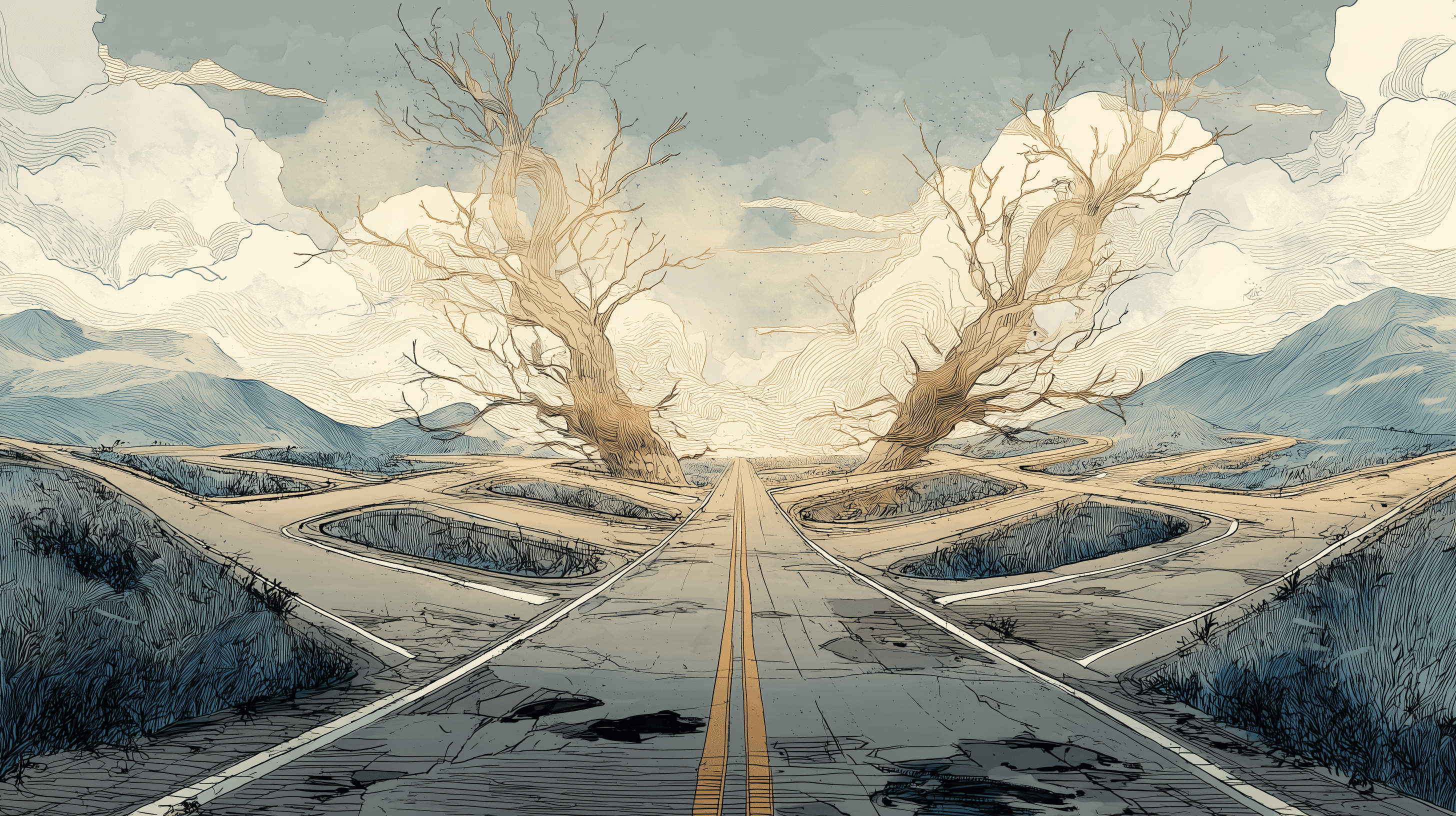
That loss of confidence doesn't come from nowhere. It comes from a complete lack of direction.
I've sat in rooms where the CEO insists the company has a clear strategy. But when you actually press on it, what comes out sounds a lot like "make more money and reduce costs." And those are outcomes, not a strategy. If you aim to make more money and spend less, you take shortcuts.
When company strategy is vague then product goals become a moving target. Teams are left guessing what actually matters, interpreting and reinterpreting signals from leadership, building based on assumptions because nobody will commit to anything concrete. Productboard found that 39% of product investments fail due to lack of clear company strategy. That number was 25% the year before. This is getting worse, not better.
PMs and designers pour months into a project only to find out at the end that they weren't even solving the right problem. The priorities shifted three weeks ago and nobody told them. What leadership wanted was never actually what leadership said.
When this happens leadership blames the teams. They say people need to be more invested, need to ask better questions, need to take more ownership. But here's what I keep coming back to... the ICs are the company. If teams constantly need to beg for clarity, then leadership is where the problem actually lives.
Strategy Clarity
That loss of confidence doesn't come from nowhere. It comes from a complete lack of direction.
I've sat in rooms where the CEO insists the company has a clear strategy. But when you actually press on it, what comes out sounds a lot like "make more money and reduce costs." And those are outcomes, not a strategy. If you aim to make more money and spend less, you take shortcuts.
When company strategy is vague then product goals become a moving target. Teams are left guessing what actually matters, interpreting and reinterpreting signals from leadership, building based on assumptions because nobody will commit to anything concrete. Productboard found that 39% of product investments fail due to lack of clear company strategy. That number was 25% the year before. This is getting worse, not better.
PMs and designers pour months into a project only to find out at the end that they weren't even solving the right problem. The priorities shifted three weeks ago and nobody told them. What leadership wanted was never actually what leadership said.
When this happens leadership blames the teams. They say people need to be more invested, need to ask better questions, need to take more ownership. But here's what I keep coming back to... the ICs are the company. If teams constantly need to beg for clarity, then leadership is where the problem actually lives.
Discovery Is Being Skipped
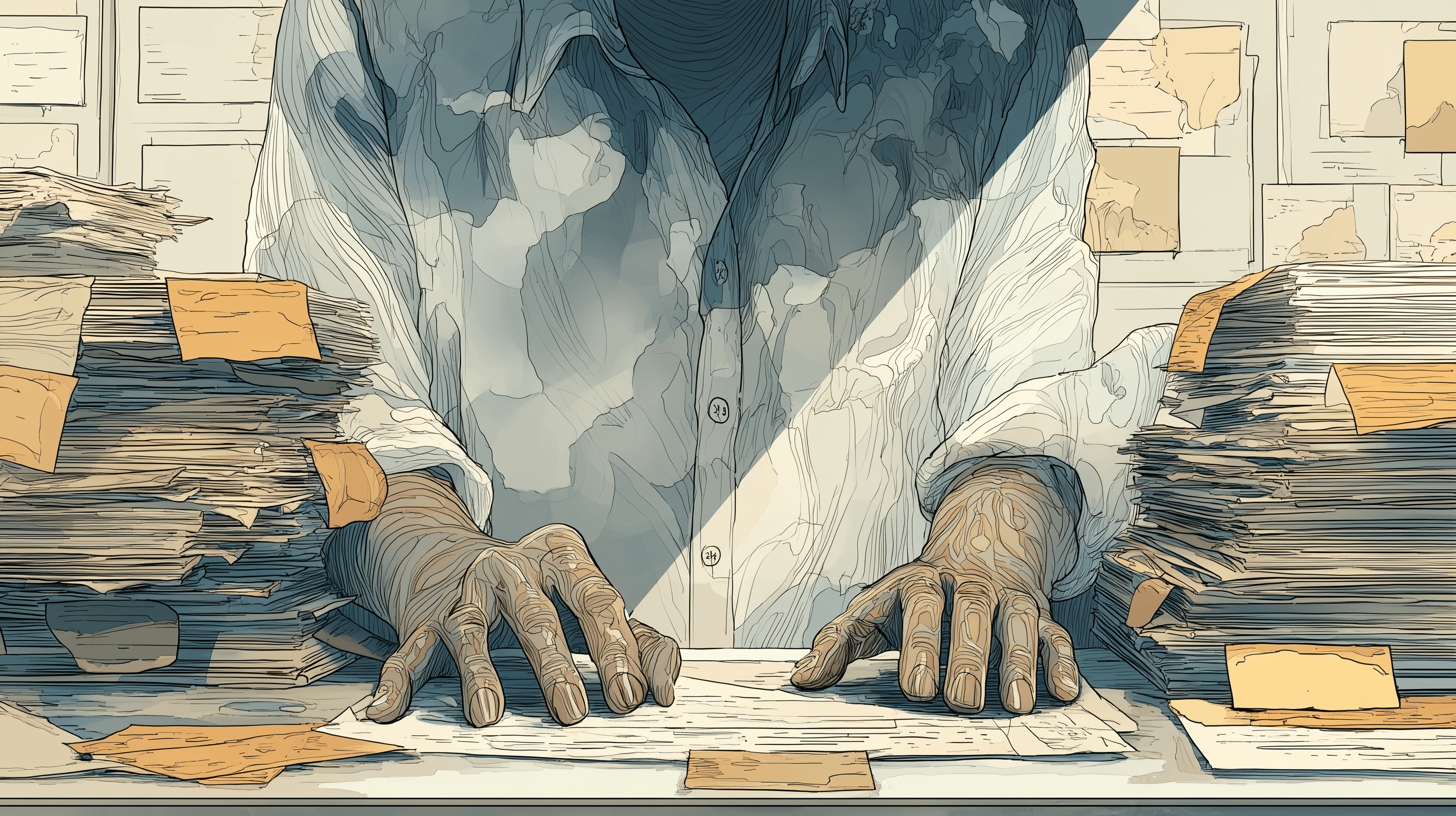
When strategy is unclear, discovery becomes a luxury nobody feels like they can afford.
This is the part I've struggled to understand for years now. Every book and every podcast and every conference talk says the same thing... understand your users, validate your assumptions, solve problems instead of just shipping features. This wisdom is decades old at this point. So why are so many product teams skipping discovery entirely and jumping straight to execution?
The reasons I keep hearing fall into a few patterns:
Executives hand down feature orders. Not problems to solve but specific features to build. The team's job becomes implementation and nothing else.
Velocity becomes the metric that matters. Teams get told to go faster and ship more and nobody ever circles back to ask whether any of it is actually landing with users.
Roadmaps get locked at the end of the prior year and carved into stone because the entire financial plan depends on specific feature releases hitting specific dates. Discovery would threaten the plan so discovery gets cut.
And then when those features ship and the planned outcomes don't materialize? The teams take the blame. The same teams who were never given permission to validate whether those features were even right in the first place.
The Empowerment Illusion
There's a real difference between having a seat at the table and actually being allowed to speak while you're sitting there.
Product teams today report feeling respected. They get invited to strategy meetings. They're told their input matters. Atlassian found that 85% of product professionals say they have a seat at the strategic table.
But influence? That's a whole different story.
When senior leadership determines strategy in closed-door meetings and priorities get set without input from the people who actually understand users and "alignment" really just means "we'll tell you what we decided"... then the seat at the table is just for show. You're in the room but you're not shaping anything.
I've also seen executives who want to be involved in every single decision. Every opportunity assessment, every prioritization call, every detail. They say they want to stay connected to the work but what actually happens is product teams lose the ability to operate at all. Nothing moves without approval and the bottleneck becomes the org chart itself.
The healthy version looks like executives who stay involved after teams have done the work. After the opportunity assessment and the research. You present the best paths forward and leadership helps choose between them. What most teams experience is closer to order-taking with extra steps and more meetings.
When teams can't influence direction they eventually stop trying. Why push back if it never changes anything? Why advocate for users when the roadmap is already locked? The learned helplessness creeps in quietly and then everyone wonders why product teams seem so passive and disengaged.
Discovery Is Being Skipped
When strategy is unclear, discovery becomes a luxury nobody feels like they can afford.
This is the part I've struggled to understand for years now. Every book and every podcast and every conference talk says the same thing... understand your users, validate your assumptions, solve problems instead of just shipping features. This wisdom is decades old at this point. So why are so many product teams skipping discovery entirely and jumping straight to execution?
The reasons I keep hearing fall into a few patterns:
Executives hand down feature orders. Not problems to solve but specific features to build. The team's job becomes implementation and nothing else.
Velocity becomes the metric that matters. Teams get told to go faster and ship more and nobody ever circles back to ask whether any of it is actually landing with users.
Roadmaps get locked at the end of the prior year and carved into stone because the entire financial plan depends on specific feature releases hitting specific dates. Discovery would threaten the plan so discovery gets cut.
And then when those features ship and the planned outcomes don't materialize? The teams take the blame. The same teams who were never given permission to validate whether those features were even right in the first place.
The Empowerment Illusion
There's a real difference between having a seat at the table and actually being allowed to speak while you're sitting there.
Product teams today report feeling respected. They get invited to strategy meetings. They're told their input matters. Atlassian found that 85% of product professionals say they have a seat at the strategic table.
But influence? That's a whole different story.
When senior leadership determines strategy in closed-door meetings and priorities get set without input from the people who actually understand users and "alignment" really just means "we'll tell you what we decided"... then the seat at the table is just for show. You're in the room but you're not shaping anything.
I've also seen executives who want to be involved in every single decision. Every opportunity assessment, every prioritization call, every detail. They say they want to stay connected to the work but what actually happens is product teams lose the ability to operate at all. Nothing moves without approval and the bottleneck becomes the org chart itself.
The healthy version looks like executives who stay involved after teams have done the work. After the opportunity assessment and the research. You present the best paths forward and leadership helps choose between them. What most teams experience is closer to order-taking with extra steps and more meetings.
When teams can't influence direction they eventually stop trying. Why push back if it never changes anything? Why advocate for users when the roadmap is already locked? The learned helplessness creeps in quietly and then everyone wonders why product teams seem so passive and disengaged.
The Feature Factory Grind
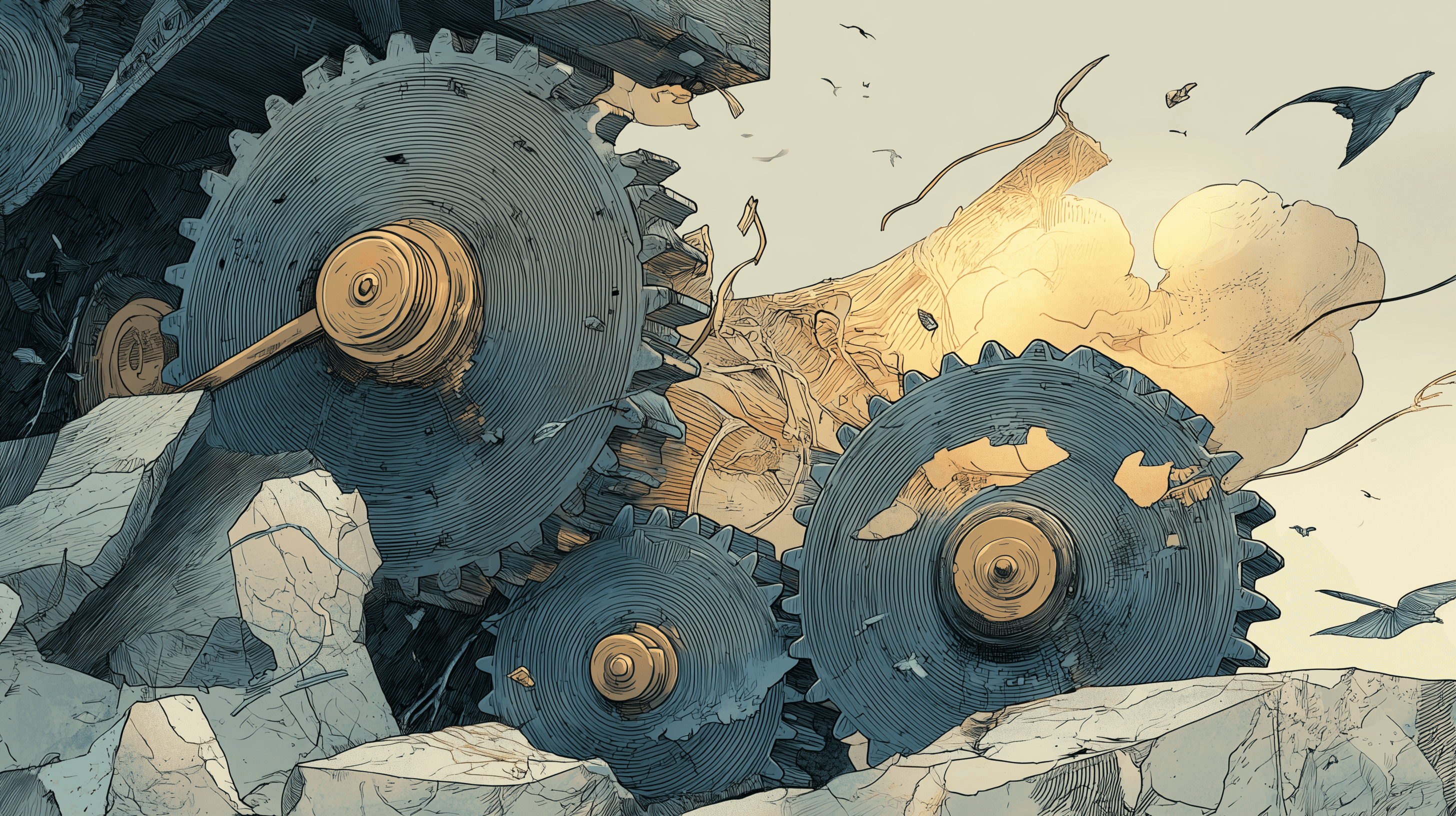
When you can't control strategy and you can't do discovery and you can't influence decisions... you ship. That's what's left.
The feature factory isn't about being lazy. It's not a failure of skillsets or caring. It's the human response to a system that rewards output over outcomes. If you're going to be measured on velocity then you optimize for velocity. If your job security depends on features shipped then you ship features. You do what you need to do to show progress and stay employed and survive another quarter.
But it costs something.
Product managers become project managers, shuffling tickets instead of shaping strategy. Designers become production artists, pushing pixels on someone else's vision instead of solving real problems. Engineers build things they already know won't get used because nobody asked what they thought anyway.
Everyone looks busy. Nobody feels fulfilled. And the work that's supposed to create value for users just... grinds along producing nothing that matters.
The system isn't broken because of bad people or bad intentions. It breaks down because everyone is solving different problems in their own silos without talking to each other. Communication gaps lead to shortcuts. Lack of trust leads to workarounds. And the whole machine slowly stops functioning the way it was supposed to.
The Feature Factory Grind
When you can't control strategy and you can't do discovery and you can't influence decisions... you ship. That's what's left.
The feature factory isn't about being lazy. It's not a failure of skillsets or caring. It's the human response to a system that rewards output over outcomes. If you're going to be measured on velocity then you optimize for velocity. If your job security depends on features shipped then you ship features. You do what you need to do to show progress and stay employed and survive another quarter.
But it costs something.
Product managers become project managers, shuffling tickets instead of shaping strategy. Designers become production artists, pushing pixels on someone else's vision instead of solving real problems. Engineers build things they already know won't get used because nobody asked what they thought anyway.
Everyone looks busy. Nobody feels fulfilled. And the work that's supposed to create value for users just... grinds along producing nothing that matters.
The system isn't broken because of bad people or bad intentions. It breaks down because everyone is solving different problems in their own silos without talking to each other. Communication gaps lead to shortcuts. Lack of trust leads to workarounds. And the whole machine slowly stops functioning the way it was supposed to.
This Is Systemic and That's Actually Good News
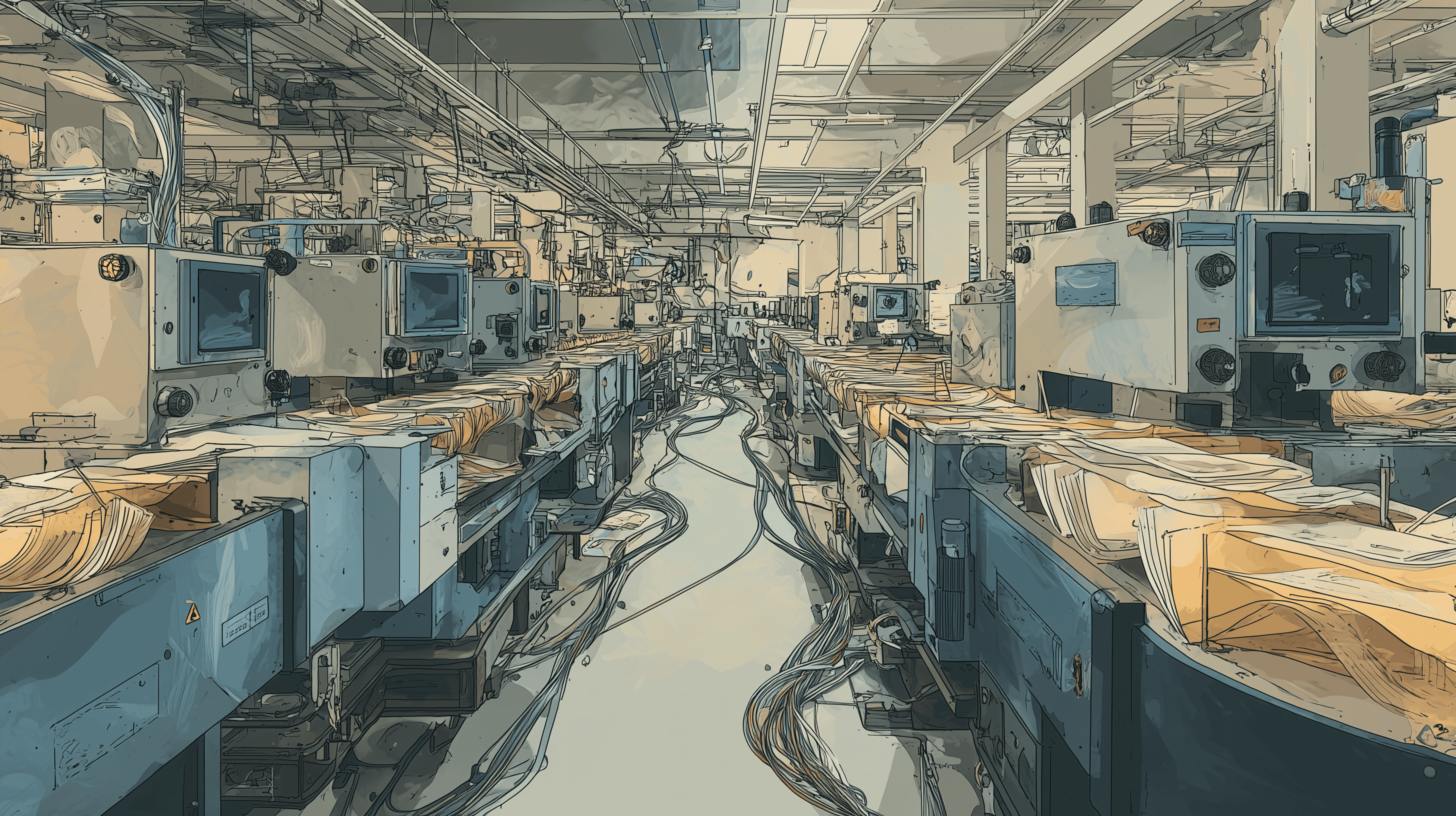
Here's what I want you to take from all of this... these problems are connected.
Unclear strategy leads to skipped discovery. Skipped discovery leads to output addiction. Output addiction leads to burnout. Burnout leads to churn. And then new people come in and inherit the same broken system and the cycle just repeats itself with fresh faces.
It's not five separate problems. It's one system producing predictable dysfunction at every level.
And weirdly enough that's actually good news. Because you don't fix a system by working harder or complaining louder. You fix it by understanding how the pieces connect and intervening at the right points.
Over the next several weeks I'm going to be working to better understand each of these key areas and what actually works to change them. Not just working on theory and not frameworks borrowed from companies with unlimited budgets and headcount. What I've seen actually work in real teams with real constraints and real organizational dysfunction standing in the way.
This is fixable. It just requires naming the real problems first.
This Is Systemic and That's Actually Good News
Here's what I want you to take from all of this... these problems are connected.
Unclear strategy leads to skipped discovery. Skipped discovery leads to output addiction. Output addiction leads to burnout. Burnout leads to churn. And then new people come in and inherit the same broken system and the cycle just repeats itself with fresh faces.
It's not five separate problems. It's one system producing predictable dysfunction at every level.
And weirdly enough that's actually good news. Because you don't fix a system by working harder or complaining louder. You fix it by understanding how the pieces connect and intervening at the right points.
Over the next several weeks I'm going to be working to better understand each of these key areas and what actually works to change them. Not just working on theory and not frameworks borrowed from companies with unlimited budgets and headcount. What I've seen actually work in real teams with real constraints and real organizational dysfunction standing in the way.
This is fixable. It just requires naming the real problems first.
References
Atlassian, "The State of Product in 2026: Navigating Change, Challenge, and Opportunity" — 84% of product teams worried about market success; 85% report having a seat at the strategic table https://www.atlassian.com/blog/announcements/state-of-product-2026
Pendo, "What is Product Discovery?" — 80% of software products are rarely or never used, representing $29.5 billion in wasted R&D annually https://www.pendo.io/glossary/product-discovery/
Productboard, CPO Survey 2025 — 39% of product investments failing due to lack of clear company strategy (up from 25% the prior year) https://www.productboard.com/
Ant Murphy, "How Product is Changing in 2026" — Additional context on strategy clarity, reduced empowerment, and increased top-down decision making from ProductPlan's 2025 Report https://antmurphy.medium.com/how-product-is-changing-in-2026-78a08f150aca
MORE INSIGHTS

Product Problems Series
Feb 7, 2026
Empowerment is a must to allow product teams to succeed. Too many checks and balances throw off timing and outcomes.
The Authority Trap: Accountability Without The Control
Career Advice
Jan 27, 2026
Most companies say they want a senior designer. They actually want fast executors.
Companies Have Started Hiring for Speed, Not Strategy