GreyMatter
Role
Lead Designer and Researcher
Scenario
Analysts were slowed down by clunky workflows, while errors and security risks increased.
Goals
Redesign the experience to accelerate analyst workflows, reduce errors, and standardize patterns without slowing delivery or disrupting operations.

A fragmented, unvalidated UX was slowing high-pressure security work, increasing errors, and creating engineering rework.
Security analysts work under relentless time pressure. Every extra click, unclear interaction, or inconsistent pattern was frustrating and a large risk.
The product had:
Fragmented UI patterns across modules
Redundant or inefficient workflows
No shared component foundation
No real mechanism for validating changes with real users
These issues slowed analysis, increased error rates, and created rework loops for Engineering. The business needed an experience that matched the urgency of its users while still shipping reliably.
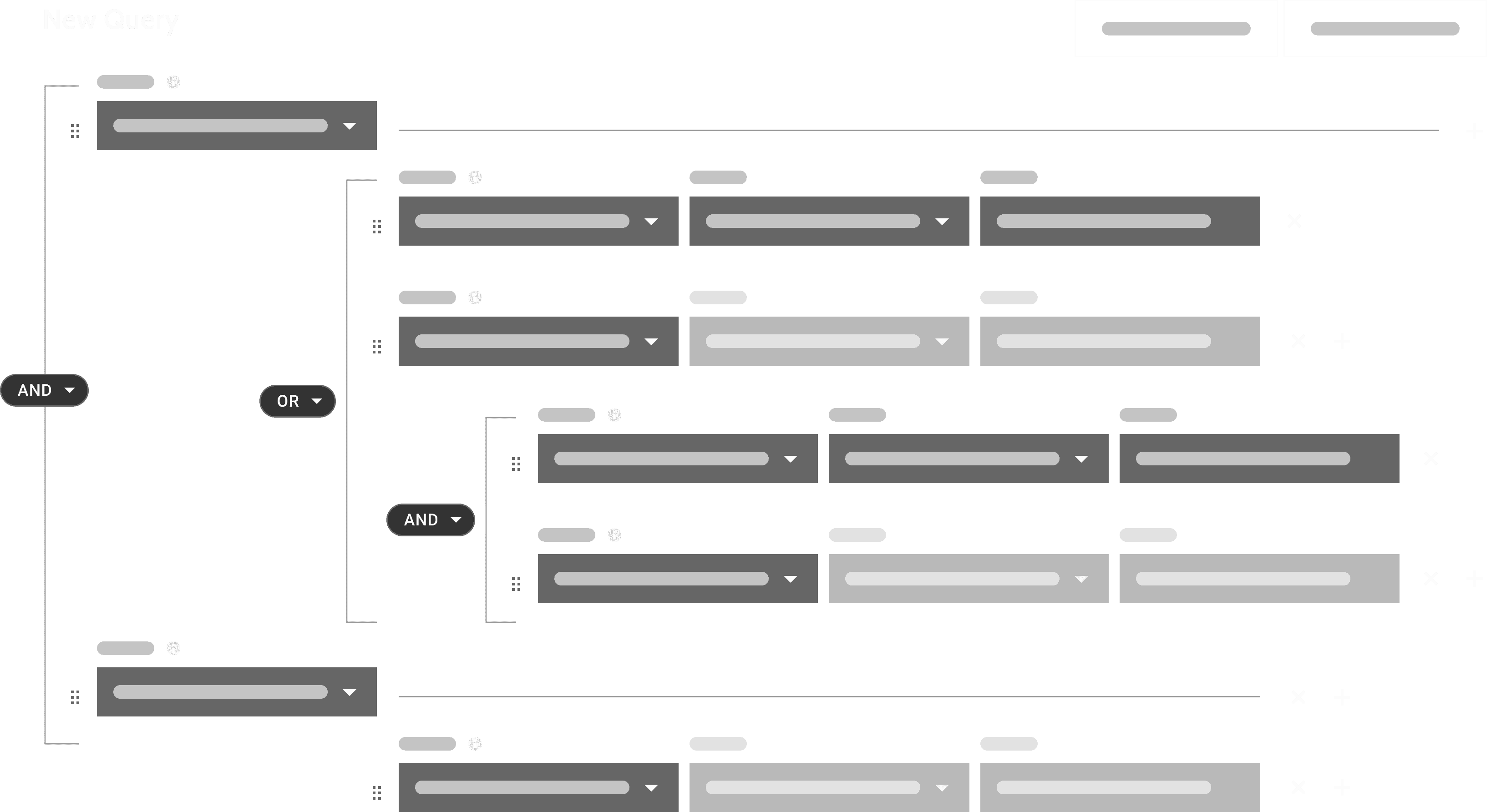
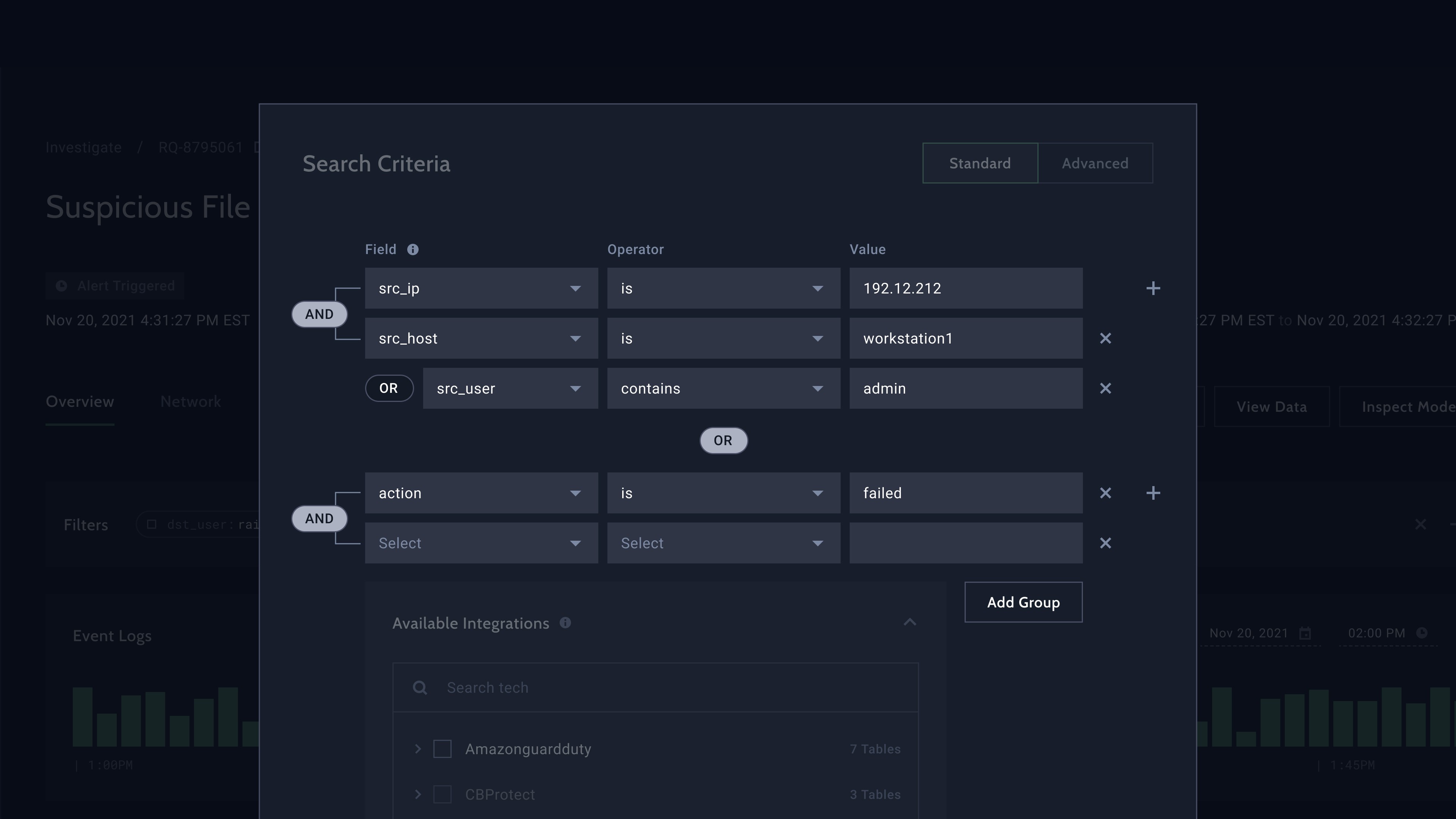
Improved speed and clarity inside a live cybersecurity platform without disrupting critical workflows or increasing risk.
This work happened inside a live cybersecurity platform where mistakes carried real consequences.
Key constraints included:
Analyst time pressure
Analysts were working live incidents. Any added friction directly affected response time and accuracy.
Zero tolerance for disruption
Core workflows could not be paused, rewritten wholesale, or destabilized during redesign.
Security and data sensitivity
Designs had to respect strict access controls, visibility rules, and audit requirements.
Rapid release cycles
Engineering teams were shipping continuously, leaving little room for long design handoffs or rework.
Fragmented legacy patterns
Different modules evolved independently, creating inconsistency without a single point of ownership.
The redesign had to improve speed and clarity without slowing delivery, breaking trust, or introducing risk.
Instead of patching patterns in each module, I led the creation of a reusable design system tailored for cyber workflows. This made consistency a by-product, not a goal.
Design system focus:
Unified components across screens
Standardized controls like date pickers, menus, and data tables
Reduced cognitive load for analysts
Made patterns easier for Engineering to implement reliably
We didn’t redesign for beauty. We redesigned for measureable analyst performance: speed, accuracy, and error reduction.
Metrics examples:
Task completion time for core analysis flows
Usability-related rework recorded by Engineering
Analyst error rates in simulations and prototype tests
Rather than rearranging screens, I focused on workflow simplification for tasks analysts do hundreds of times.
Typical workflow improvements:
Fewer clicks per task
Reduced context switching between modules
More visible key information in dashboards
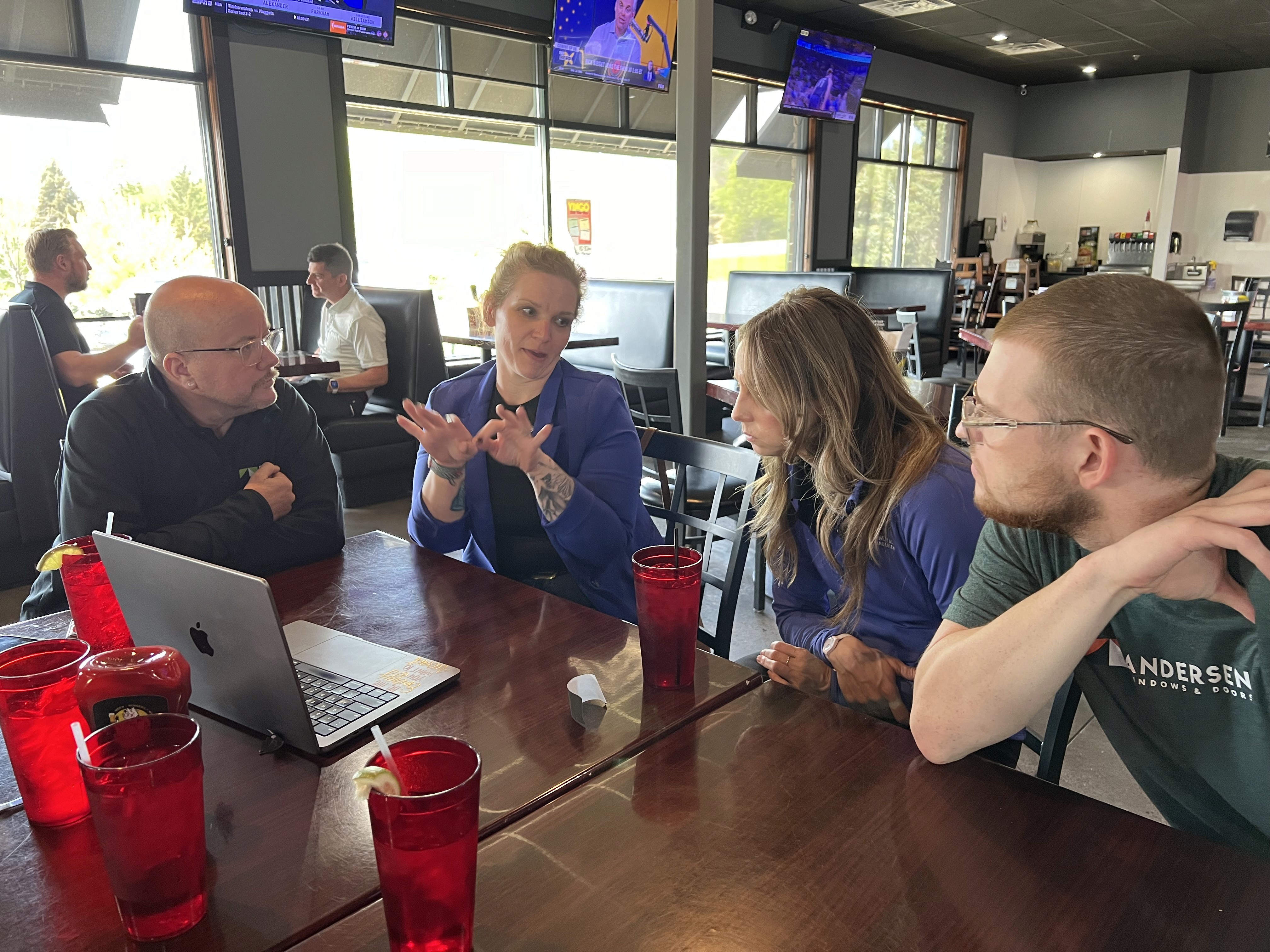
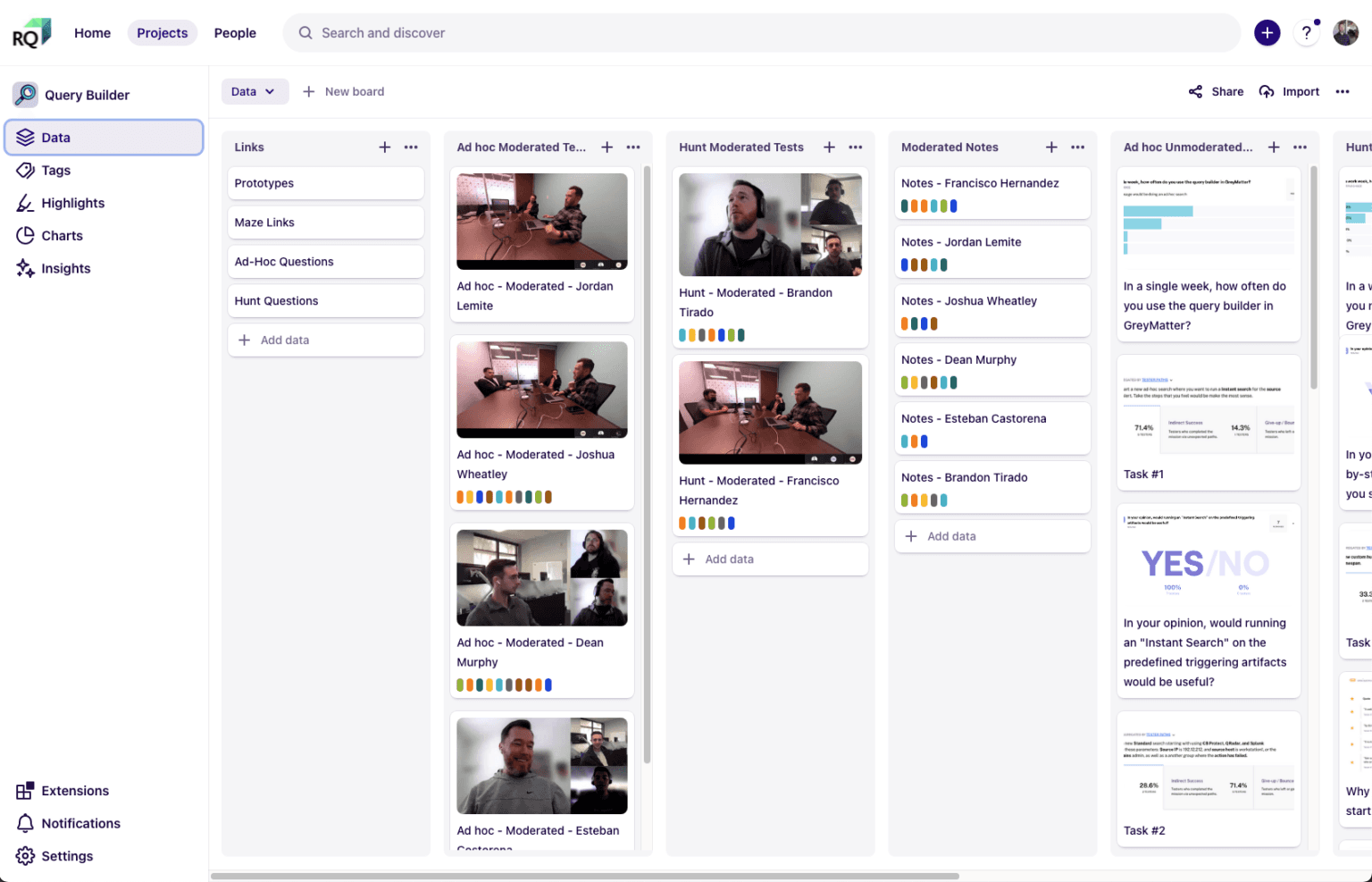
In a high-stakes domain, assumptions cost time and risk. We set up rapid testing with real analysts early and often.
Testing cadence:
Small prototype sessions with analysts
Iterations based on real usage patterns
Feedback driving both design and delivery roadmap
Analysts were able to trust the interface in critical moments
Product teams used metrics, not opinions, to validate changes
Consistent patterns reduced onboarding time and errors
Delivery became more predictable across modules
This wasn’t just a visual redesign. It was a framework for faster, safer cybersecurity workflows.
In high-stakes environments, speed isn’t a convenience — it’s a requirement. When UX improves how analysts work, it directly reduces risk and operational cost.
GreyMatter’s redesign became more than an interface refresh. It became a competitive advantage that let analysts respond faster, make fewer mistakes, and trust the tools that keep them ahead of threats.
This isn’t about making pretty screens as much as it is about operational efficiency.
“

Monica Oshin
Senior Manager, Enterprise Revenue Ops