Research Methods

Making Research Work at Scale in a Highly Regulated Environment

Making Research Work at Scale in a Highly Regulated Environment

Making Research Work at Scale in a Highly Regulated Environment

Built a research practice from the ground up in a highly regulated environment. The result was a system that enabled discovery with hard-to-reach users, delivered actionable insights, and shaped product decisions at every level.

Built a research practice from the ground up in a highly regulated environment. The result was a system that enabled discovery with hard-to-reach users, delivered actionable insights, and shaped product decisions at every level.

Built a research practice from the ground up in a highly regulated environment. The result was a system that enabled discovery with hard-to-reach users, delivered actionable insights, and shaped product decisions at every level.

Role

Director of UX → Vice President of UX — Leading Research and Design for the Organization

Scenario

A communications platform with FCC-regulated B2C products and enterprise B2B offerings where research was ad hoc, disconnected from decisions, and slow due to compliance and privacy barriers.

Goals

Design and scale a research function that delivered insights quickly, safely, and reliably so product decisions could be based on evidence, not opinion.
Featured Project Cover Image

Research became continuous and scalable, not ad hoc

Research became continuous and scalable, not ad hoc

Research became continuous and scalable, not ad hoc

Teams had a steady flow of insight they could rely on, instead of waiting weeks for one-off studies that arrived too late to matter.

Teams had a steady flow of insight they could rely on, instead of waiting weeks for one-off studies that arrived too late to matter.

Teams had a steady flow of insight they could rely on, instead of waiting weeks for one-off studies that arrived too late to matter.

Compliance issues dropped to zero

Compliance issues dropped to zero

Compliance issues dropped to zero

Research could move faster because legal and privacy concerns were addressed upfront rather than retroactively.

Research could move faster because legal and privacy concerns were addressed upfront rather than retroactively.

Research could move faster because legal and privacy concerns were addressed upfront rather than retroactively.

Teams gained access to previously unreachable users

Teams gained access to previously unreachable users

Teams gained access to previously unreachable users

New methods and partnerships expanded insight beyond traditional recruiting without violating regulatory constraints.

New methods and partnerships expanded insight beyond traditional recruiting without violating regulatory constraints.

New methods and partnerships expanded insight beyond traditional recruiting without violating regulatory constraints.

Research insights directly shaped product strategy and roadmaps

Research insights directly shaped product strategy and roadmaps

Research insights directly shaped product strategy and roadmaps

Prioritization decisions were grounded in user evidence instead of internal preference or anecdote.

Prioritization decisions were grounded in user evidence instead of internal preference or anecdote.

Prioritization decisions were grounded in user evidence instead of internal preference or anecdote.

Evidence replaced assumptions at decision time

Evidence replaced assumptions at decision time

Evidence replaced assumptions at decision time

Product discussions shifted from opinion-based debate to data-informed alignment, reducing risk and rework.

Product discussions shifted from opinion-based debate to data-informed alignment, reducing risk and rework.

Product discussions shifted from opinion-based debate to data-informed alignment, reducing risk and rework.

Business Problem.

Business Problem.

Business Problem.

The company had no central research practice.

Insights and Data were:
  • Spread across departments

  • Based on personal bias

  • Too slow to influence product roadmaps

This was worse because:
  • Users had diverse and complex needs

  • Government regulations made access and recruitment difficult

  • Research efforts risked breaching compliance or privacy rules

Leadership needed proof that research could deliver meaningful, reliable insights at speed without risking legal exposure.
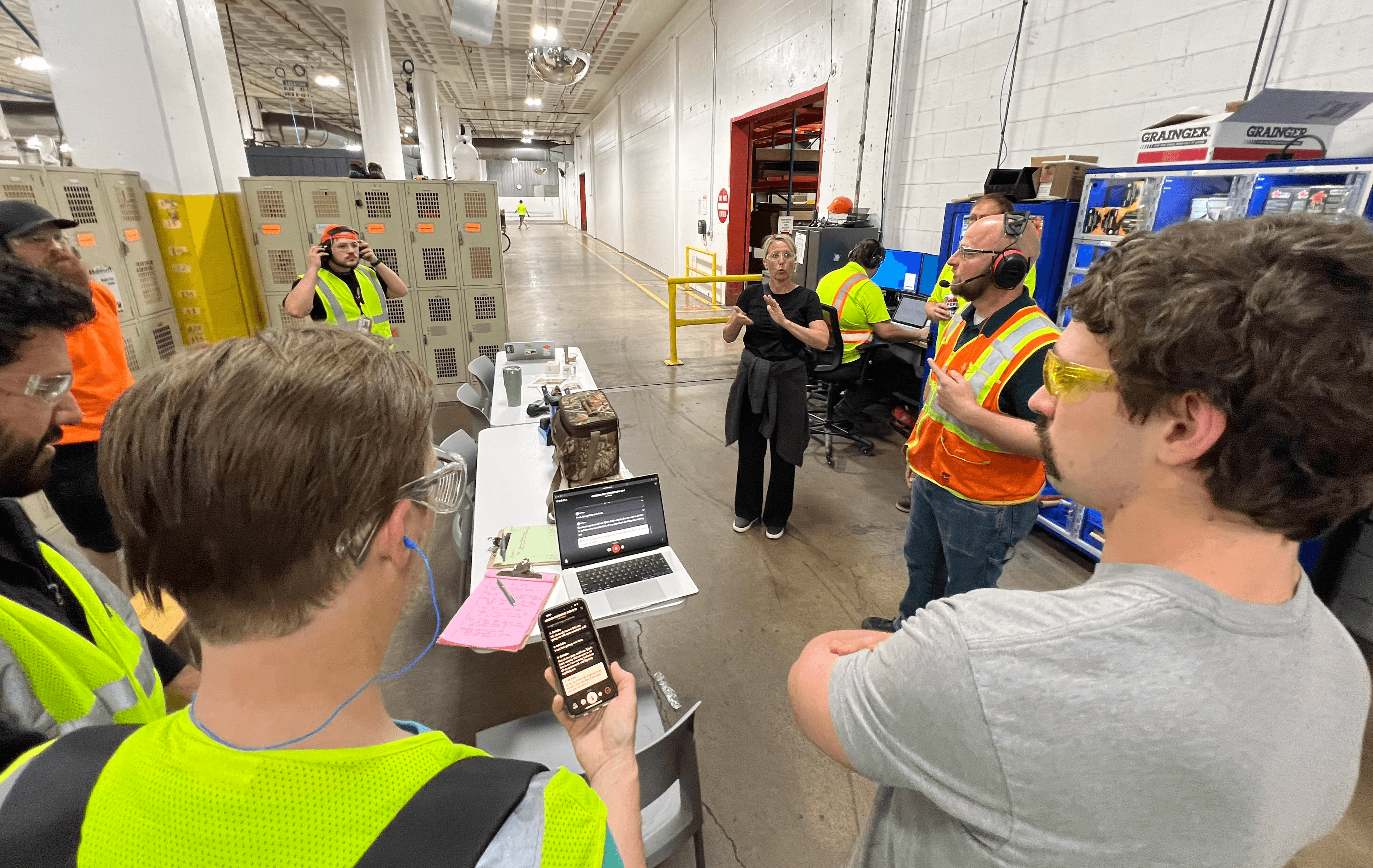
Project Content Image - 2

Challenges.

Challenges.

Challenges.

I was responsible for:
  • Designing a compliant research operations model

  • Embedding discovery into product lifecycle decisions

  • Scaling methods so that product teams could act on insight

Constraints included:
  • Legal and privacy requirements that added review cycles to all research outreach

  • Limited access to user segments due to FCC regulatory compliance

  • Research expertise fragmented across departments

This was not a scenario where a typical research team could operate normally — it required building new infrastructure and trust simultaneously.

Comments about Brandon Green

Strategic Bets.

Strategic Bets.

Strategic Bets.

Compliant Research Operations First

Compliant Research Operations First

Compliant Research Operations First

Rather than start with sample recruitment or tools, I built a research ops approach that met legal, privacy, and regulatory requirements. This made research safe and repeatable, not risky and sporadic. This replaced slow, one-off research with a reliable foundation.

What this meant in practice:
  • Designed communication processes that met strict approval requirements

  • Created clear research protocols that legal and compliance could sign off quickly

  • Standardized templates so individual teams didn’t need repeated approval cycles

Partnered with Internal and External Experts

Partnered with Internal and External Experts

Partnered with Internal and External Experts

Regulation limited direct access to some users. I expanded reach through partnerships with internal teams and external academic researchers. This mixed approach ensured data fidelity even when direct access was restricted.

How partnerships worked:
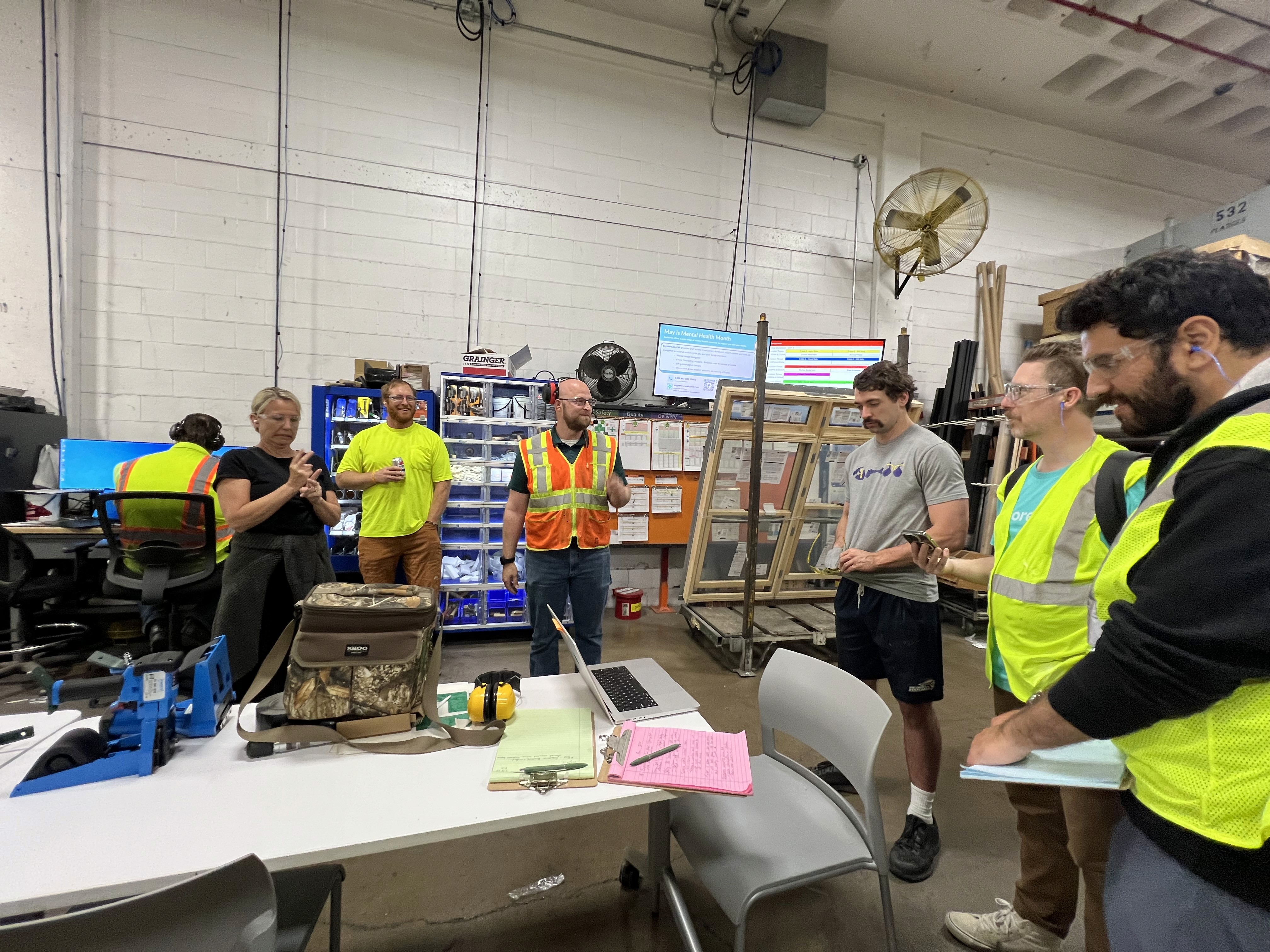
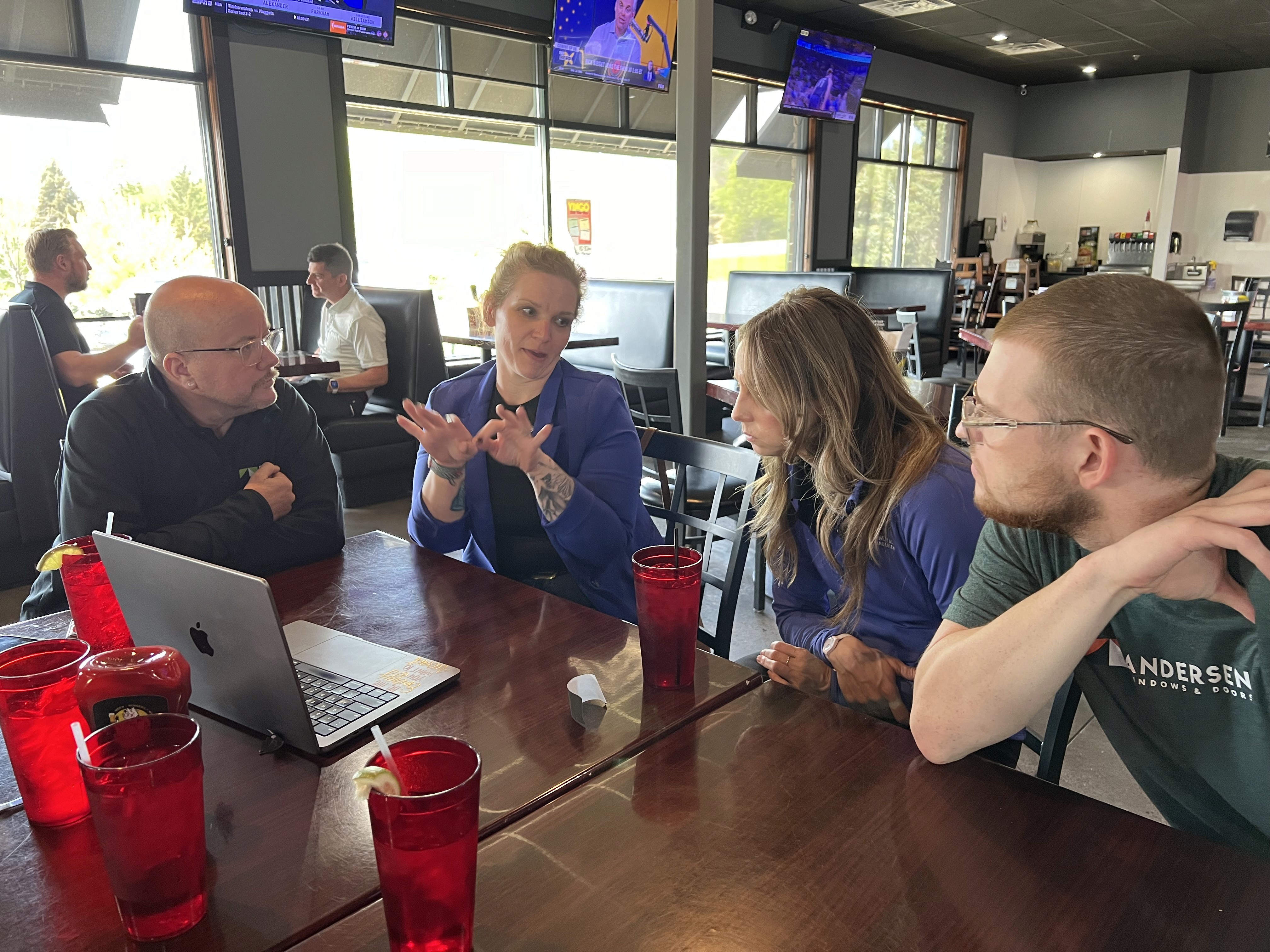
  • Collaborated with field teams and support staff to gather contextual insights

  • Engaged academic partners to access hard-to-reach segments

  • Used aggregated, ethical methods to expand input without violating rules

Equipped Teams for Lightweight Discovery

Equipped Teams for Lightweight Discovery

Equipped Teams for Lightweight Discovery

Provided tools, templates, and training so product teams could run quick, ethical studies without waiting for a central team.

Tactical enablers:
  • Created reusable research templates

  • Provided rapid-testing tool access (Maze, Pendo)

  • Trained teams on compliant methods and feedback filtering

Integrated Research into Decisions

Integrated Research into Decisions

Integrated Research into Decisions

Research shouldn’t just happen — it should change behavior. I built linkages between research outputs and roadmap prioritization. This ensured products were prioritized for what users truly needed, not what was assumed.

How integration worked:
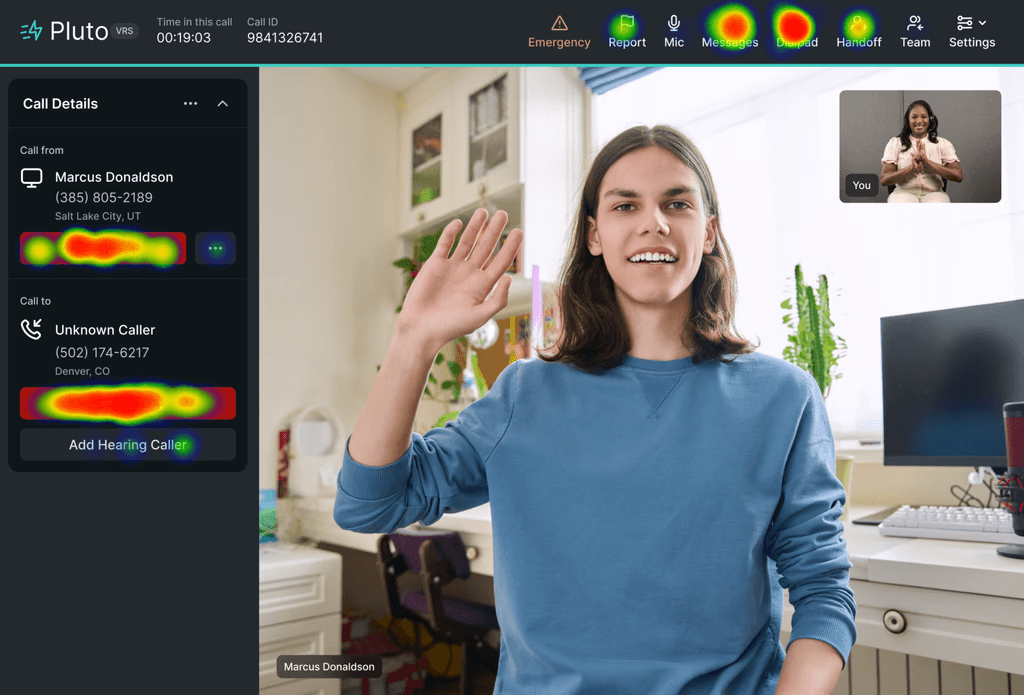
  • Weekly research summaries directly tied to feature scopes

  • Executive briefings focused on insights that mattered, not raw data

  • Prioritized research calendars alongside delivery cycles

What Changed.

What Changed.

What Changed.

  • Research became continuous and accessible, not sporadic and siloed

  • Compliance risk dropped to zero — legal and privacy became partners, not blockers

  • Roadmap decisions were informed by real user patterns, not anecdotes

  • Teams could head off issues early rather than react later

  • Research insights became part of “how we think,” not “what we show”

This shift changed how roadmap planning worked — evidence, not opinion, became the norm.

Intermediate Success Indicators
  • Continuous feedback loops across platforms

  • Direct influence on roadmap decisions

  • Zero compliance issues during research outreach

  • Teams reached user segments previously inaccessible

These are not vanity metrics — they indicate that research became trusted and useful, not a theoretical nice-to-have. 

Why It Matters.

Why It Matters.

Why It Matters.

In regulated environments, research is often the first function to get sidelined because it’s perceived as slow or risky. In this case, research instead became:

  • a competitive advantage

  • a means to reduce risk and uncertainty

  • a consistent input to strategy and prioritization

Where mistakes were made, research helped teams course-correct quickly with confidence.

This is strategic research, not tactical execution.

His leadership directly strengthened cross-functional collaboration and helped the organization move faster, operate with insights-based strategic focus, and prioritize work that drove meaningful business outcomes.

His leadership directly strengthened cross-functional collaboration and helped the organization move faster, operate with insights-based strategic focus, and prioritize work that drove meaningful business outcomes.

Aiden Hirshfield, PhD

UX Research Manager

MORE CASE STUDIES

MORE CASE STUDIES

MORE CASE STUDIES

LET'S WORK TOGETHER

I'd love to talk to you about a role you feel I'm the right person for, or even just to talk shop.

LET'S WORK TOGETHER

I'd love to talk to you about a role you feel I'm the right person for, or even just to talk shop.

LET'S WORK TOGETHER

I'd love to talk to you about a role you feel I'm the right person for, or even just to talk shop.