Design System
Role
Director of UX → Vice President of UX
Scenario
Over 20 communication platforms serving Deaf and hard-of-hearing users across FCC-regulated B2C services and enterprise B2B products, where accessibility failures carried legal, financial, and reputational risk.
Goals
Move accessibility from reactive audits and late-stage fixes into a foundational, system-level capability that scaled across products and teams.
Accessibility was treated as something to check after features shipped.
Teams relied on audits and point-in-time fixes, which meant the same issues resurfaced release after release. Engineers rebuilt components differently across products. Designers solved the same problems repeatedly. Compliance reviews slowed delivery and increased risk.
In a regulated environment serving users who relied on accessibility to use the product at all, this approach wasn’t sustainable.
The business needed accessibility to be:
Reliable
Repeatable
Built into how products were designed and delivered
Not something teams scrambled to fix at the end.
Turning accessibility from a forgotten obligation into a built-in system across products and teams.
Accessibility failures created regulatory and legal exposure
Products spanned multiple platforms with inconsistent implementations
Engineering teams moved quickly but lacked shared standards
Accessibility expertise lived in pockets, not in the system
The challenge wasn’t convincing people accessibility mattered. as much as it was making it impossible to forget.
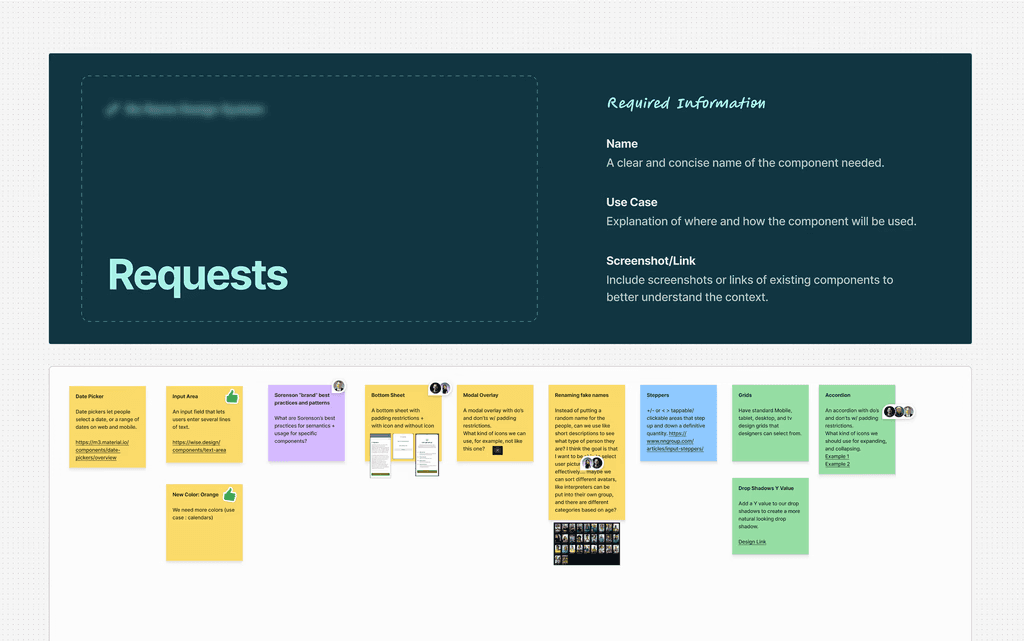
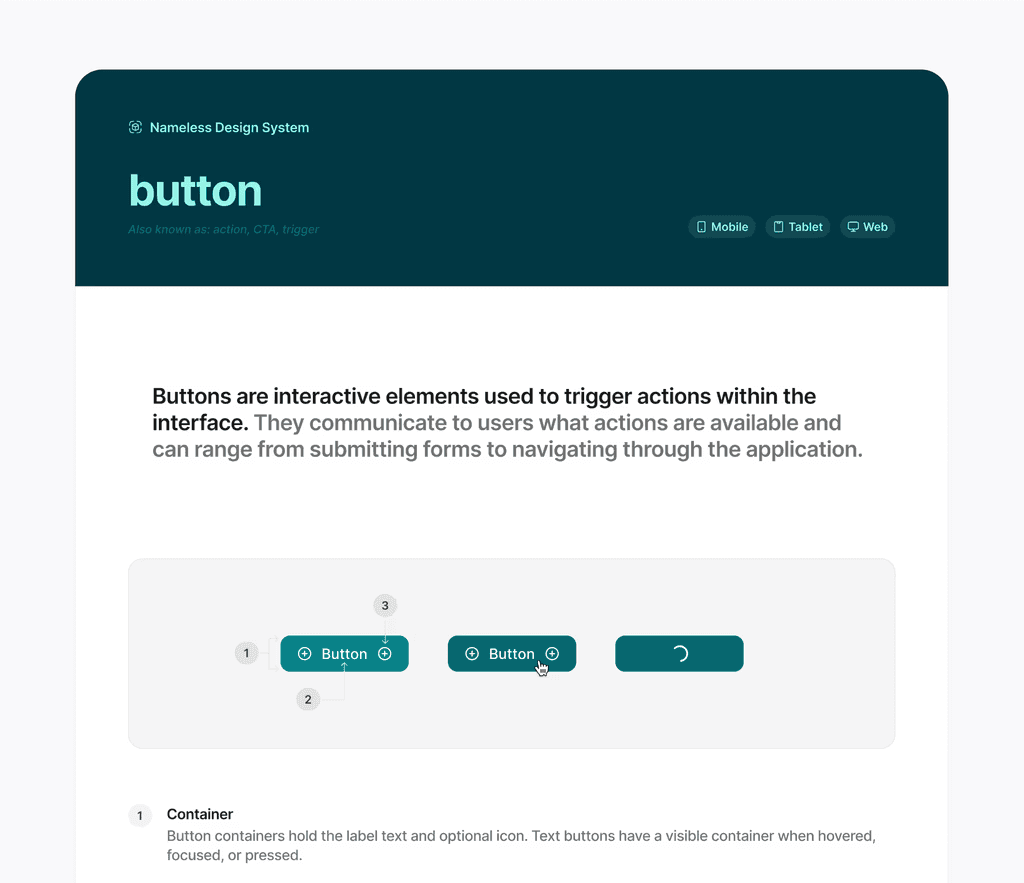
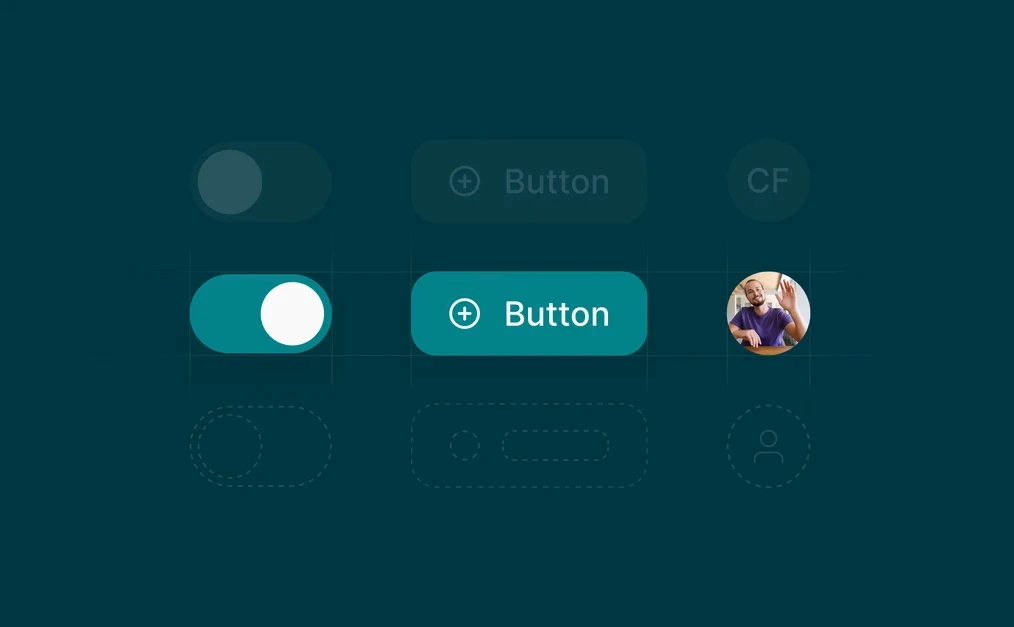
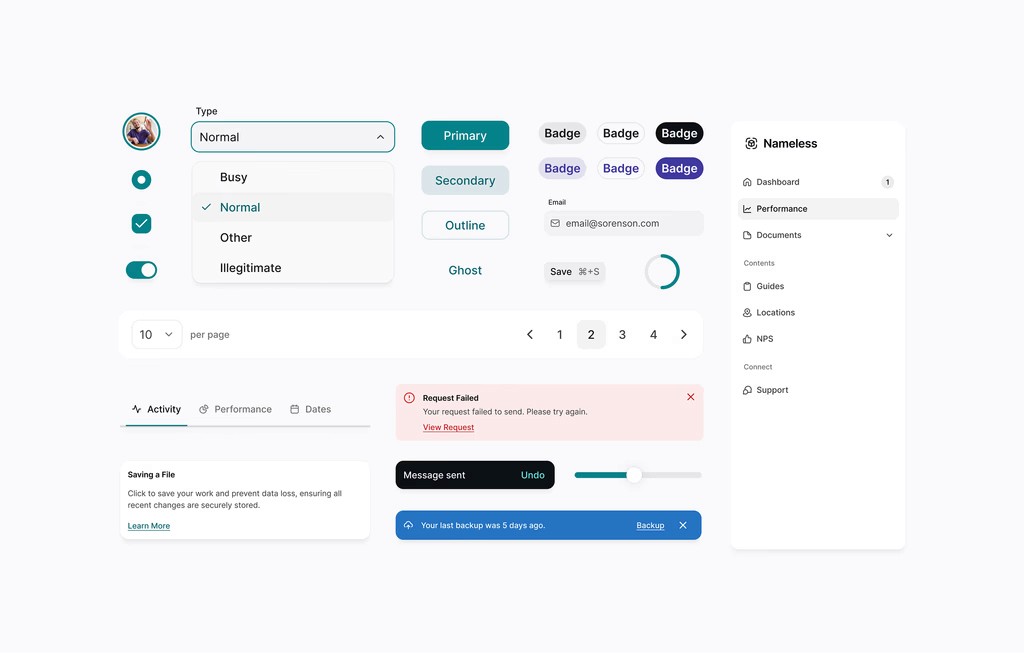
Instead of addressing accessibility through audits and remediation cycles, I made the decision to embed it directly into the design system.
If the components were accessible by default, teams couldn’t accidentally ship inaccessible experiences. This shifted accessibility from a review activity to a design constraint.
What this required:
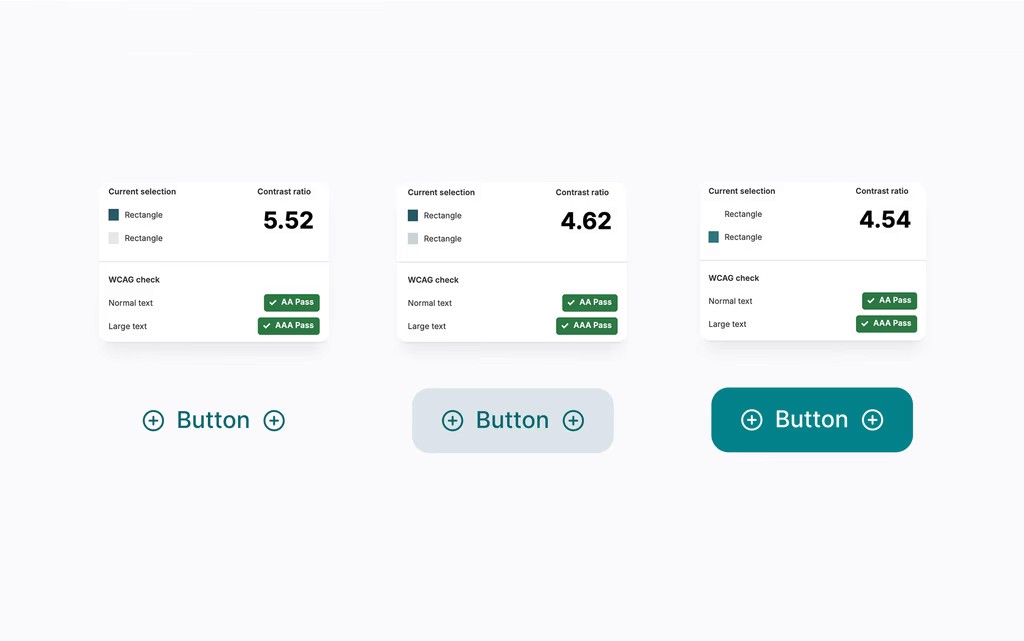
Auditing existing components against WCAG standards
Defining accessibility requirements as non-negotiable system criteria
Partnering with engineering to ensure parity between design and implementation
Teams were solving the same accessibility problems in different ways across products.
I prioritized consolidation over customization by:
Reducing component variation
Enforcing shared patterns for navigation, forms, and interaction states
Creating a single source of truth teams could rely on
Consistency reduced cognitive load for users and rework for teams.
System impact:
Fewer regressions across releases
Faster onboarding for new designers and engineers
Less time spent re-solving known accessibility issues
Accessibility couldn’t live only in design files. I worked with Product and Engineering to integrate accessibility checks into planning, build, and review workflows so it became part of how work moved through the system.
Teams didn’t need reminders because the process handled it.
Workflow Changes:
Accessibility considered during feature definition, not QA
Shared expectations across design and engineering
Clear acceptance criteria tied to WCAG standards
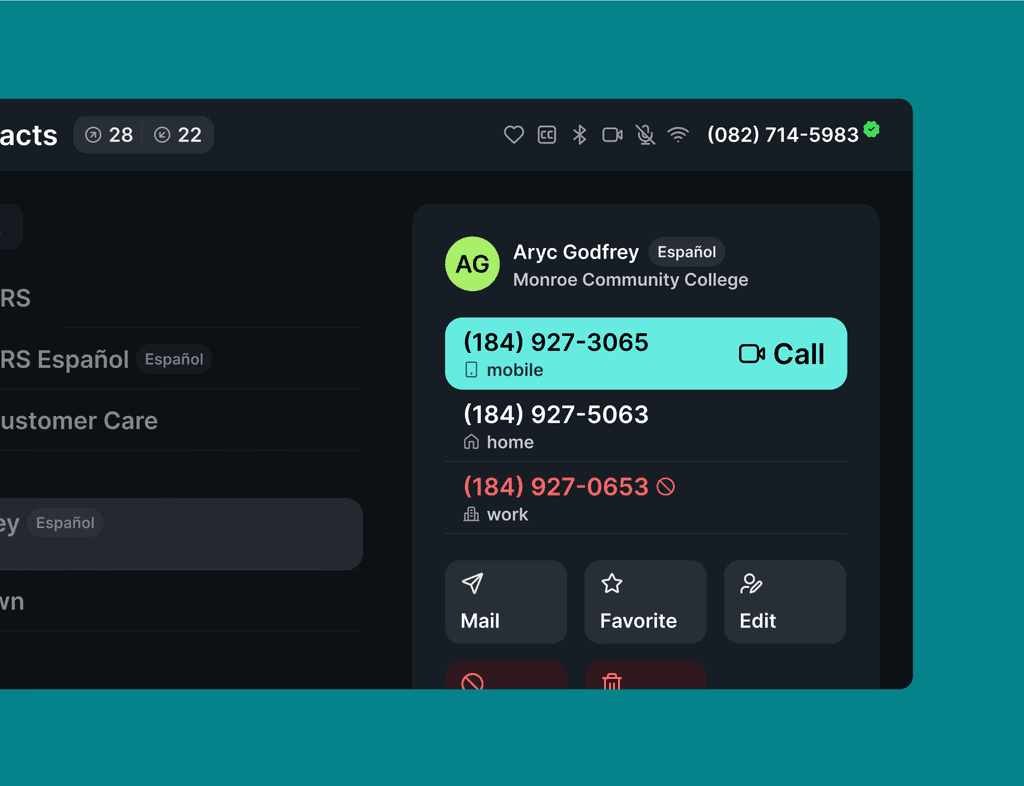
Accessibility shifted from reactive fixes to proactive design
Teams stopped re-introducing known issues
Compliance reviews became predictable instead of disruptive
Users experienced consistent, usable interfaces across platforms
Accessibility stopped slowing teams down. It made delivery safer.
In regulated environments, accessibility that depends on vigilance eventually fails. The only approach that scales is one where accessibility is built into the system itself.
This work ensured accessibility didn’t rely on individual effort, memory, or advocacy. It became part of how the company built products. That’s the difference between building for just compliance's sake versus making durable design.
“

Dallin Green
Senior Product Designer