Ignite
Role
Lead Product Designer — Conducting All Research & Design
Scenario
A complex enterprise platform serving business customers across multiple industries, with fragmented interfaces and inconsistency in workflows that limited adoption and increased support cost.
Goals
Redesign core enterprise workflows and interfaces to improve usability, consistency, and efficiency for enterprise users and internal teams.
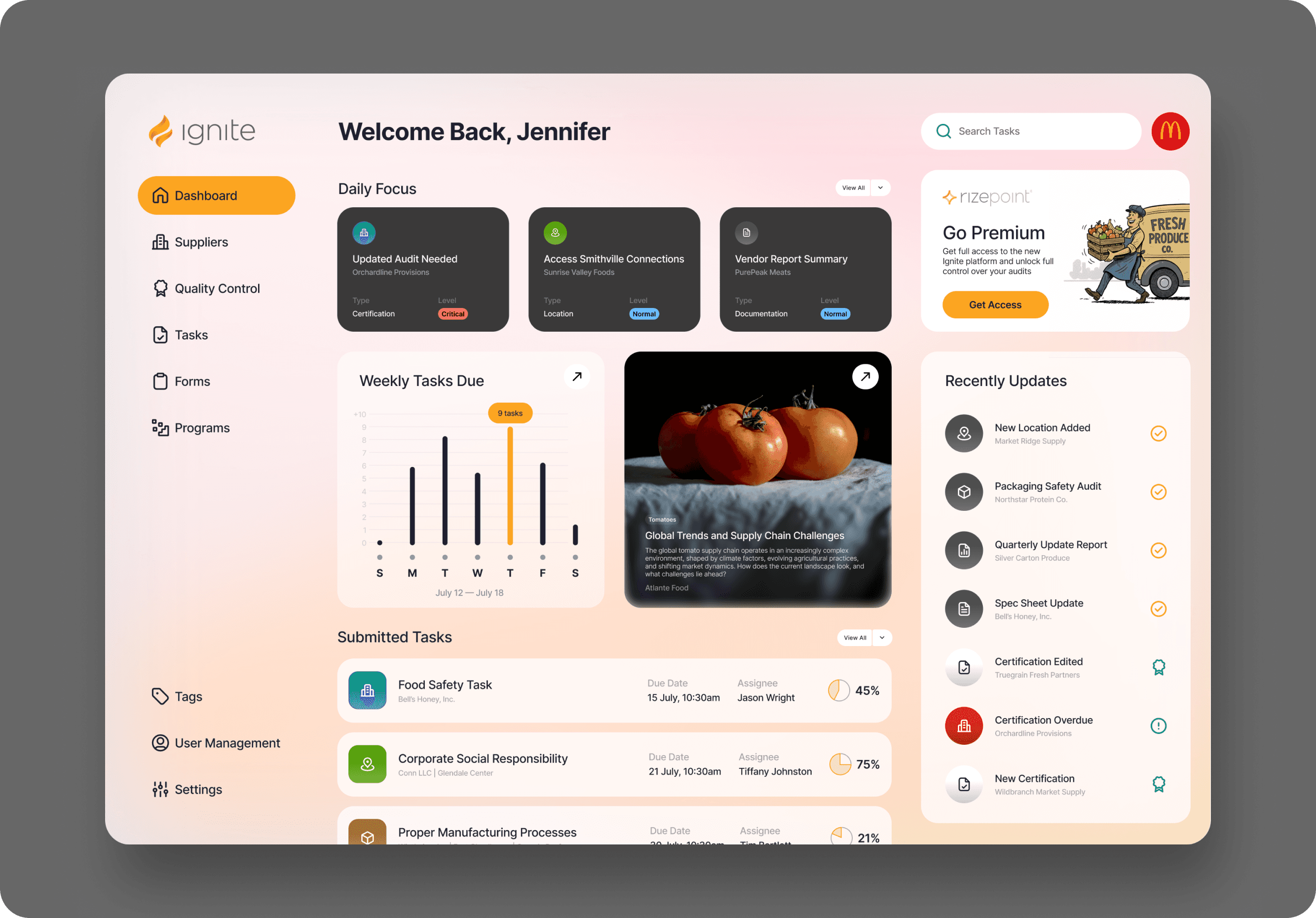
Inconsistent UX was eroding enterprise trust, slowing adoption, and increasing support and sales friction.
Enterprise customers were vocal that our product felt inconsistent and hard to use.
Internally, support teams spent too much time explaining workflows. Engineering built features that didn’t fit the patterns customers expected. Sales teams had trouble onboarding new clients because the product expectations didn’t match what users experienced.
Fragmented UI, inconsistent patterns, and unclear calls-to-action were increasing cognitive load and lowering trust among enterprise customers. This was slowing adoption, adding support burden, and limiting upsell potential.
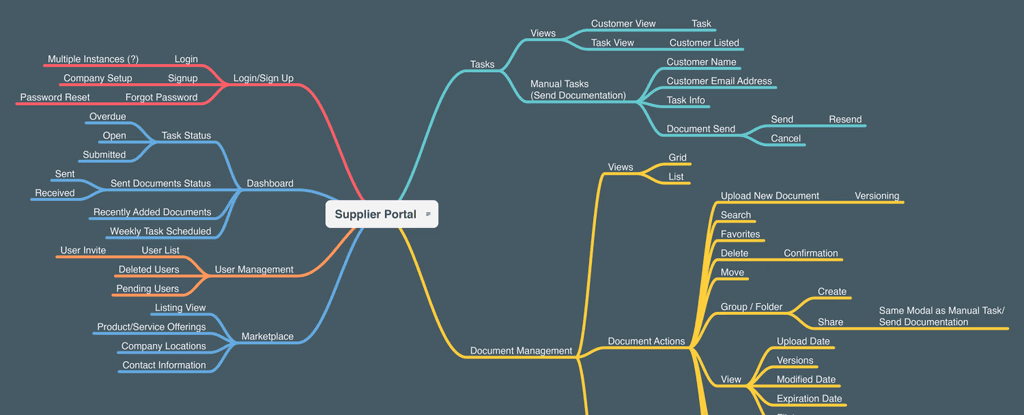
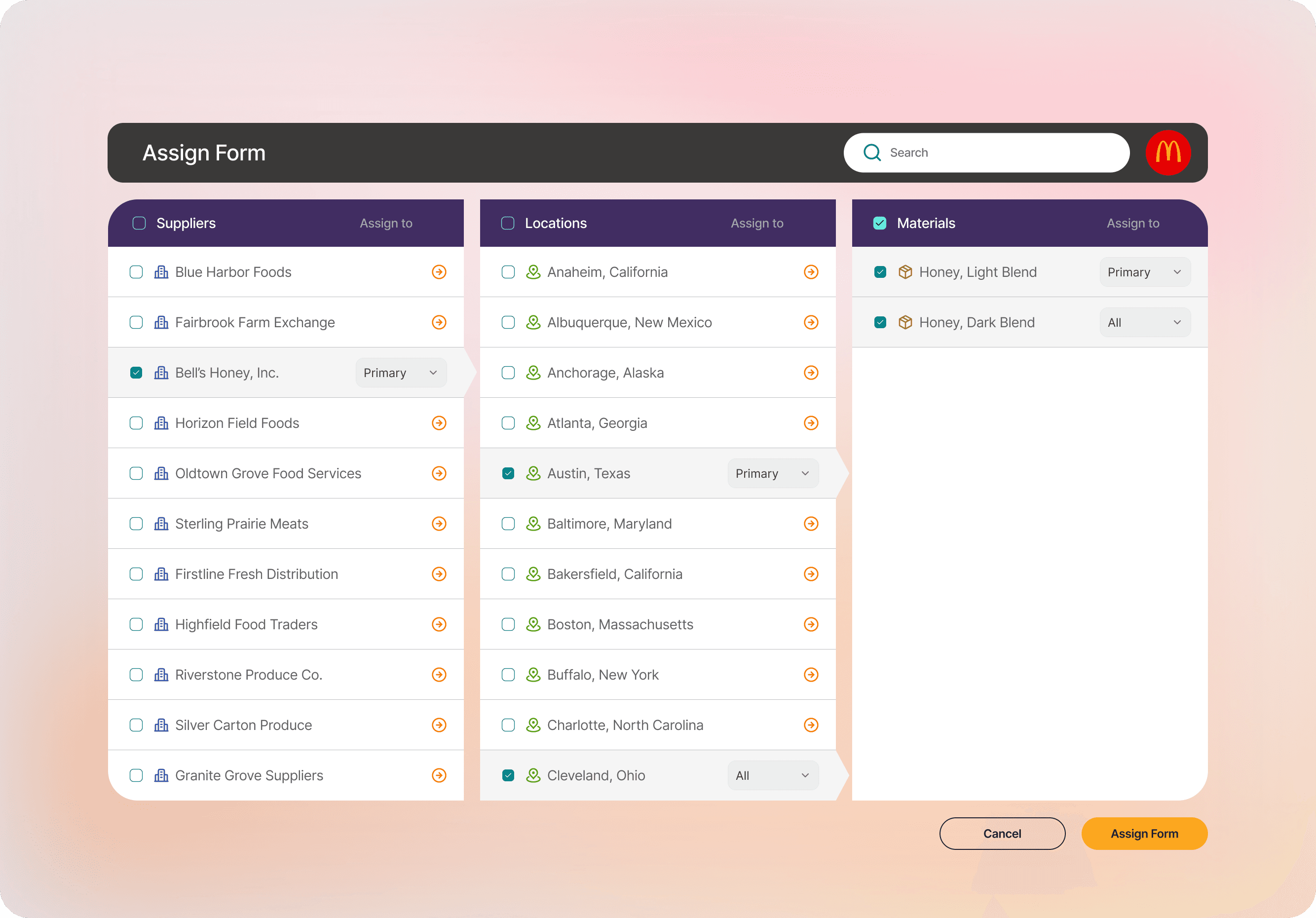
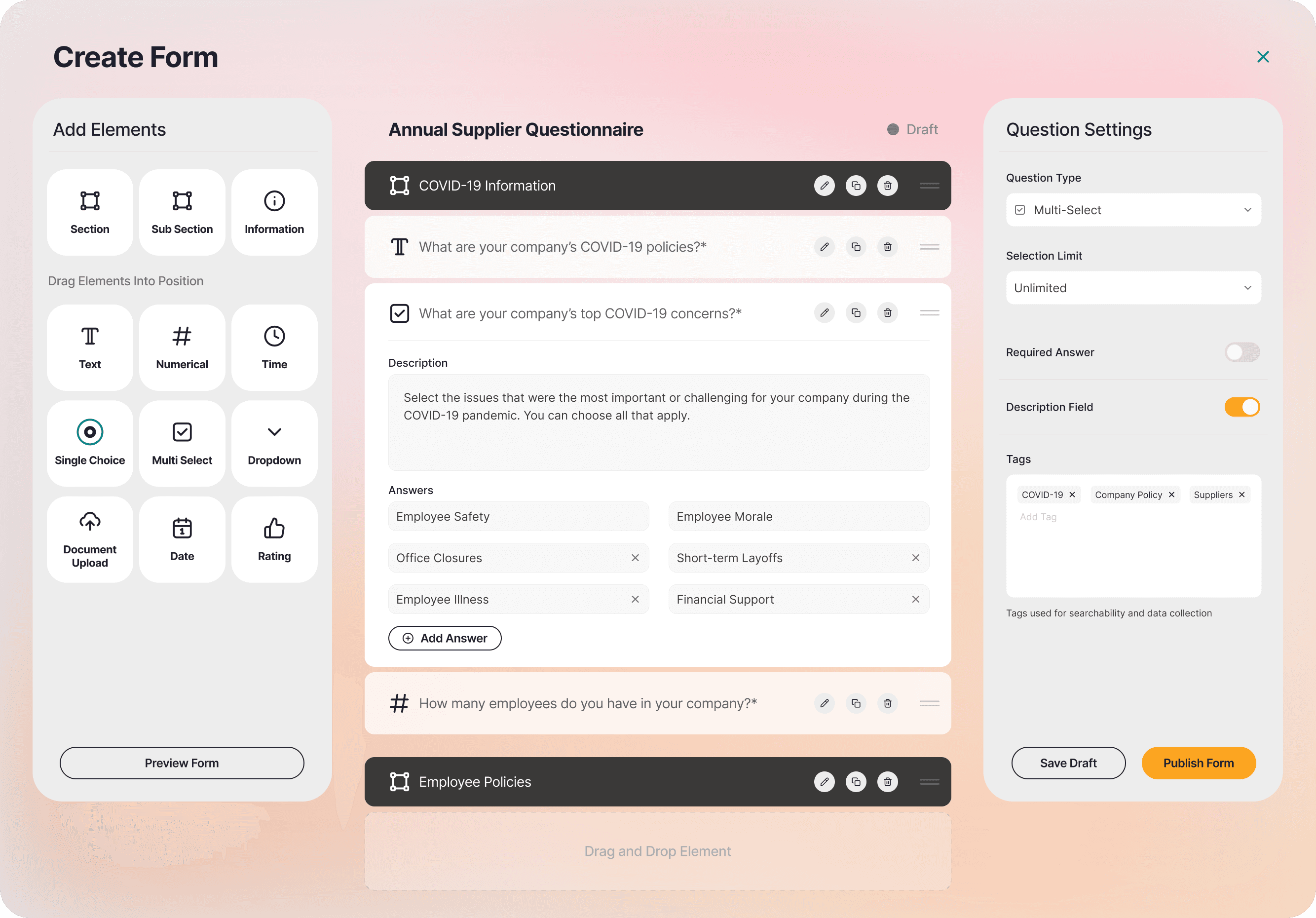
Redesigning required reconciling fragmented modules, legacy habits, tight timelines, and diverse enterprise user needs.
Multiple modules each evolved independently
Legacy flows that users were accustomed to but found inefficient
Tight delivery schedules with feature commitments already promised
Enterprise users with a range of expertise and needs
The redesign had to balance familiarity with efficiency and consistency.

Rather than redesign screens in isolation, I mapped end-to-end workflows for key enterprise tasks and aligned redesign decisions with how users actually work, not how features were labeled internally.
What this involved:
Conducted task analysis with real users
Mapped workflows across modules
Defined metrics for success at each task boundary
Surface differences in UI patterns that confused users and forced them to relearn interactions between modules. I consolidated patterns so that once a user learned one part of the app, they could transfer that understanding elsewhere.
Pattern simplification examples:
Unified navigation hierarchy
Consistent form behavior across contexts
Standardized error and success messaging
Rather than deliver a full polished design and hope for the best, I validated interactions early and often with users representing different roles and contexts.
Feedback loops:
Usability tests on prototypes
Task success rates monitored quantitatively
Iteration based on real user feedback, not internal assumptions
Support volume dropped for common tasks
Time to onboard new enterprise users decreased
Internal alignment on patterns reduced rework
Teams reused components and flows instead of redesigning them
This was not about making it look nicer. It was about reducing wasted time for users and internal teams.
Enterprise products succeed when they reduce friction in workflows people rely on every day. They also need to be intuitive and provide enough of an upside that they need it.
This redesign improved:
User satisfaction
Learnability
Efficiency
Internal predictability in delivery
“

Lynn Reinsel
UX Researcher & Data Analyst